Why Ergonomics Chairs ? The Medical Engineering Behind High-Performance Seating
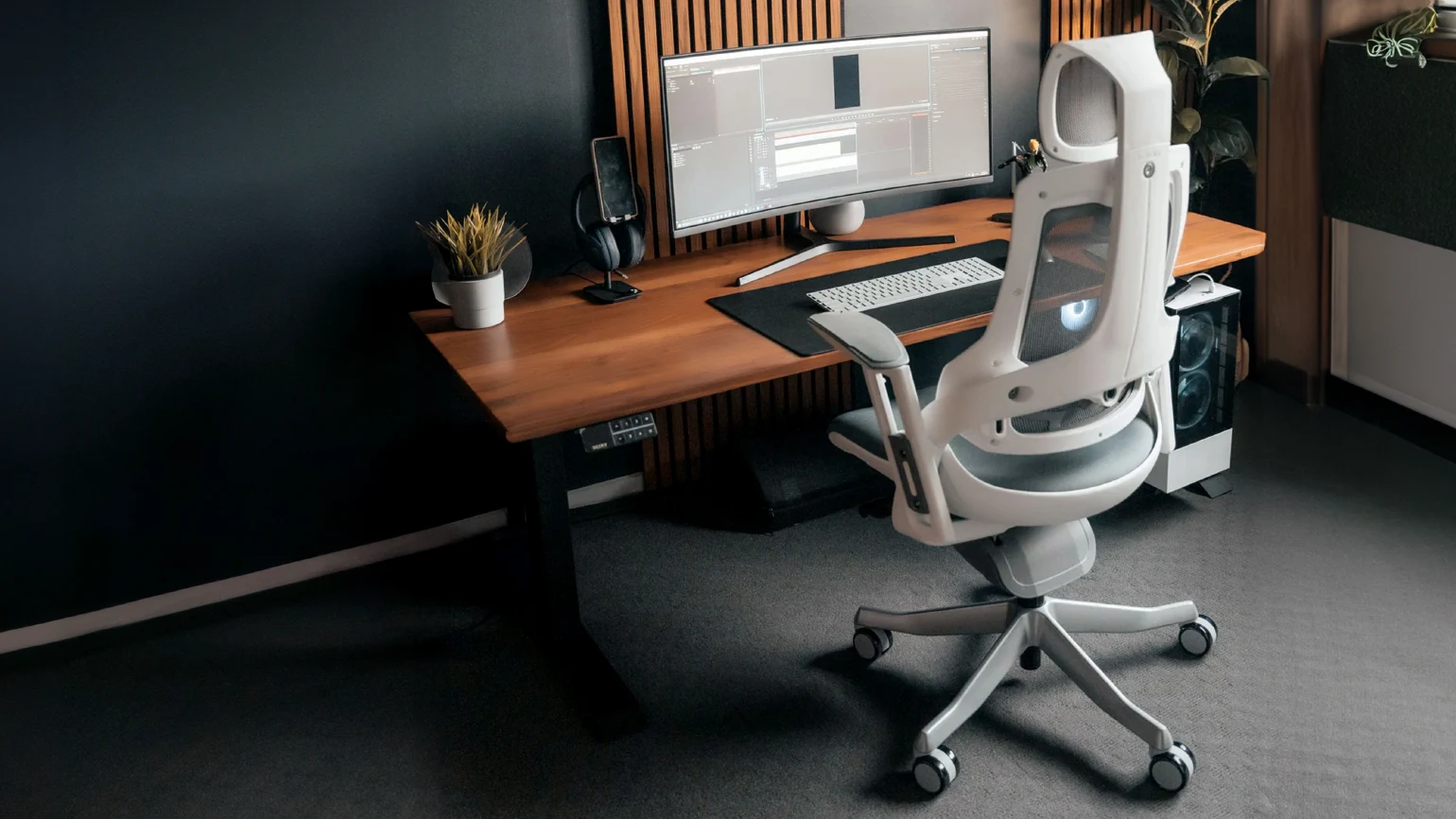
Every day, millions of office professionals, high-level managers, and corporate leaders spend 8 to 10 hours anchored to their desks. The inevitable consequences are chronic neck and shoulder discomfort, a growing trend of premature spinal degeneration, and a significant decline in labor productivity. In this landscape, the term "ergonomic chair" has emerged as a definitive new standard a premium solution sought after for modern, high-performance workspaces.
However, in a fragmented market with varying degrees of quality, many remain skeptical: Why is it called an ergonomic chair? What truly distinguishes a premium seating solution from a traditional office chair? This article will unveil the intricacies of medically-certified design, providing an expert perspective on how furniture influences health and why this is a strategic investment that yields long-term value.
The Essence of "Ergonomics": A Foundation for Human-Centric Design
To understand why a chair is defined as "ergonomic," we must first decode the core discipline that governs its creation.
Origins and Scientific Definition
The term "Ergonomics" is derived from the Greek words Ergon (work) and Nomos (natural law). According to the International Ergonomics Association (IEA), it is a scientific discipline focused on understanding the interactions between humans and other elements of a system. The ultimate objective of ergonomics is to optimize both human well-being and overall system performance.
In simpler terms, instead of forcing individuals to physically adapt to their workspace or equipment, ergonomics dictates that the environment and its tools must be designed to conform to the natural physiological characteristics of the human body.
From Philosophy to Tangible Performance
The fundamental difference between a conventional chair and a premium ergonomic solution lies in this design philosophy. When using a traditional office chair, your body is often forced to "lock" into a static, rigid frame. Over time, this leads to muscular strain and improper spinal compression.
In contrast, an ergonomic chair is engineered with a mission to "serve" the body. Every detail is calculated based on anthropometric data, allowing for fluid adjustments that contour to, support, and instinctively track the user’s slightest movements. This adaptive synergy effectively neutralizes invisible pressure on the musculoskeletal system, ensuring long-term health and focus.
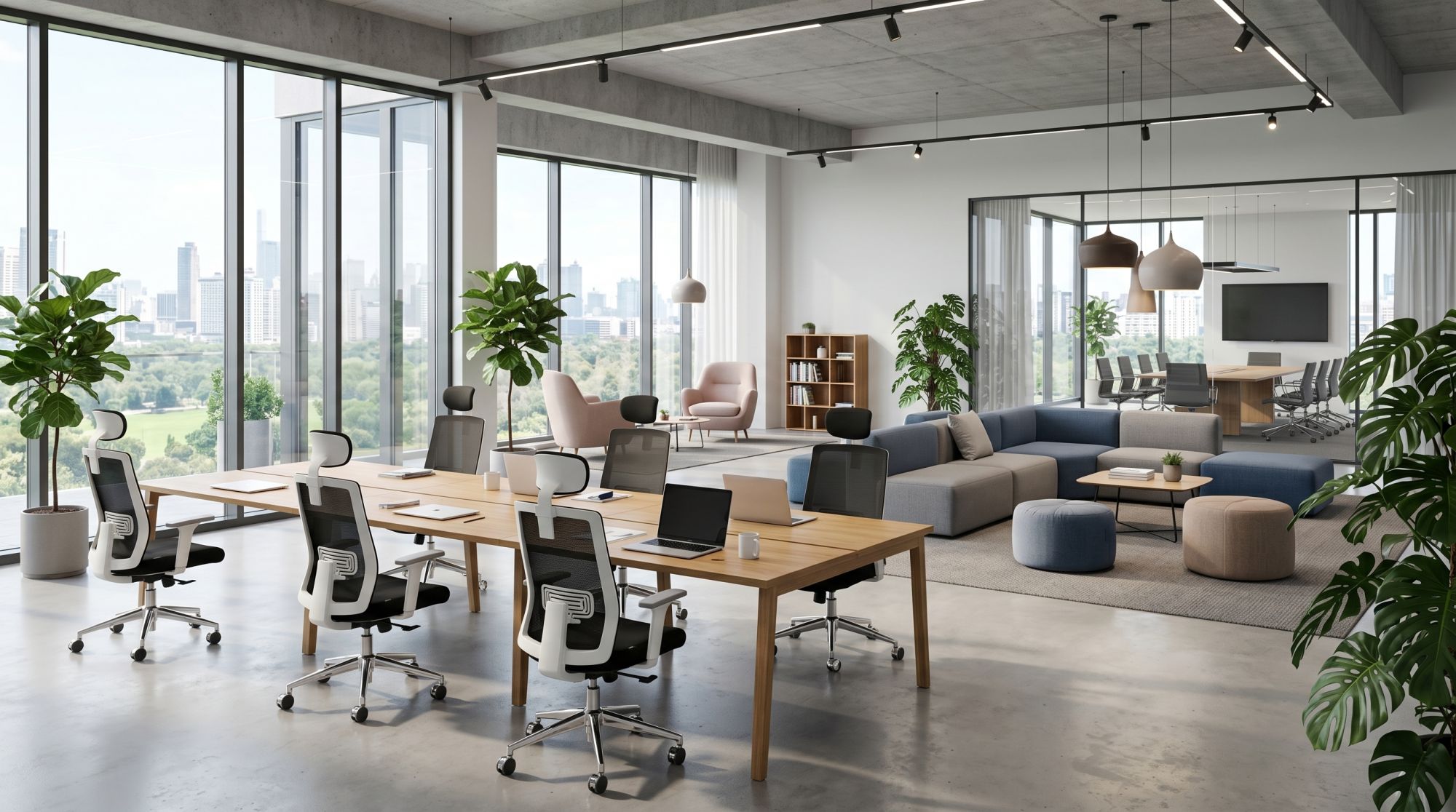
Why Is It Called an Ergonomic Chair? 4 "Responsive" Design Standards That Sync with Your Body
A chair is only truly "ergonomic" when it meets rigorous medical and biomechanical standards. Here are the four structural elements that define the difference.
1. Adaptive Lumbar Support: Preserving the Natural S-Curve The human spine possesses a natural S-curvature. However, when seated, the lower back (lumbar region) tends to flatten into a C-shape, exerting immense pressure on the intervertebral discs.
Ergonomic seating addresses this issue through an advanced Lumbar Support system. This component is engineered to contour precisely to the lower back’s inward curve. In premium collections, the lumbar support features dynamic auto-responsiveness, automatically adjusting its depth and angle based on the user's weight and reclining posture. Medical research indicates that maintaining the correct S-curve while seated can reduce pressure on the lumbar discs by up to 50%.
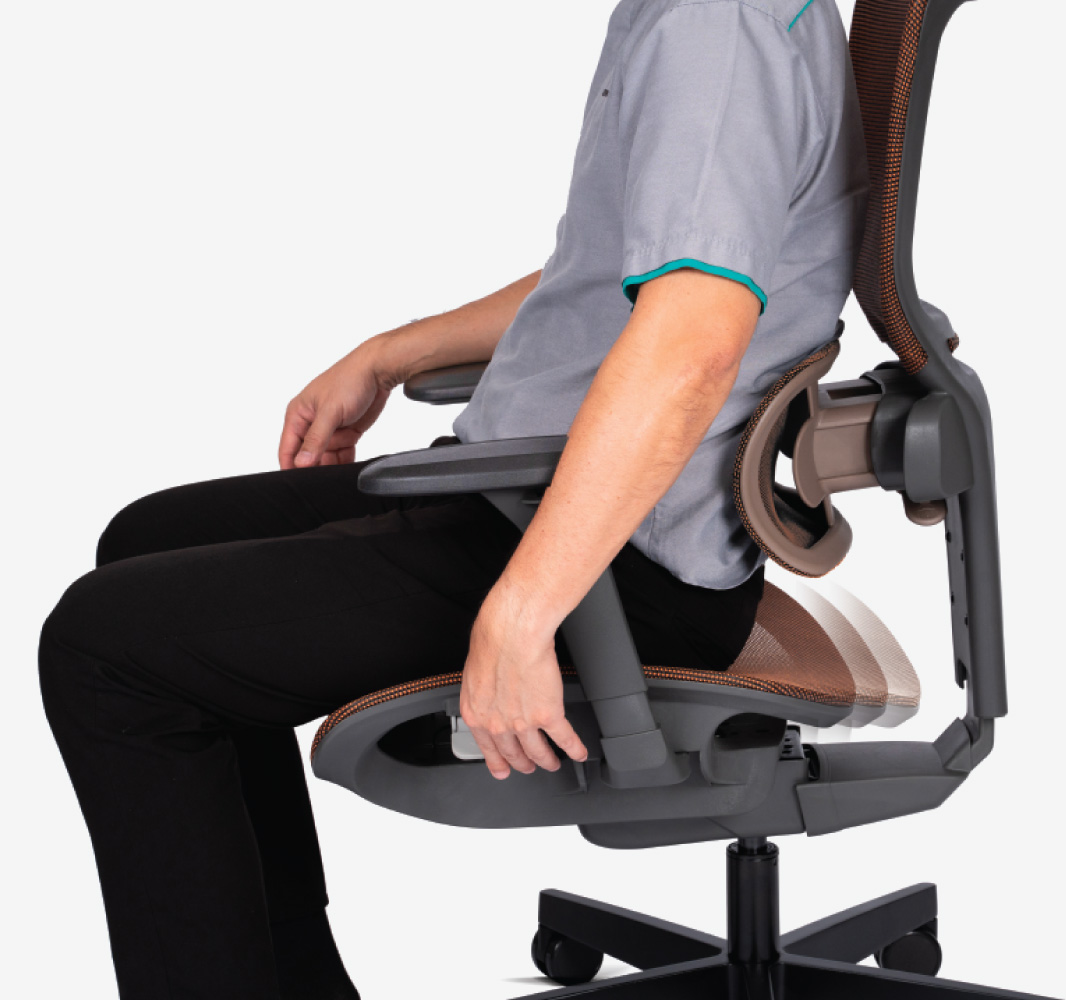
2. Synchronized Tilt and Seat Pan Precision: Engineering Dynamic Motion
The human body is not biologically designed for prolonged immobility. Movement is an essential requirement, even while seated.
-
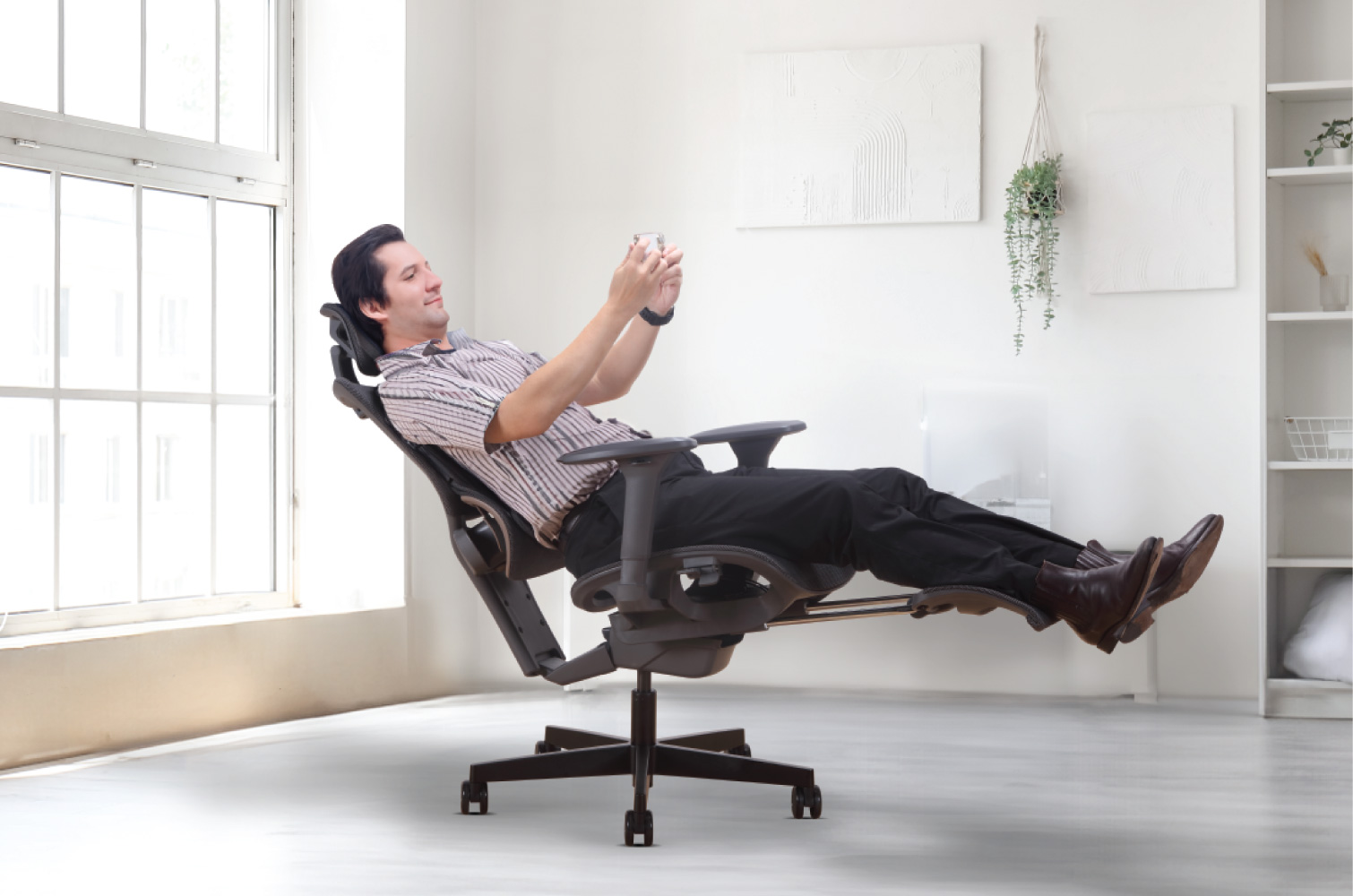
Synchronized Tilt Mechanism: Unlike conventional chairs where reclining often causes the user’s feet to lift off the floor the Synchronized Tilt on an ergonomic chair allows the backrest and seat to recline at a coordinated ratio (typically 2:1). This widening of the torso-to-thigh angle promotes spinal extension while ensuring the feet remain firmly planted, maintaining optimal gravitational balance and stability.
-
Seat Pan Slider and Waterfall Edge: The seat pan features longitudinal adjustment (sliding forward/backward) to accommodate various femur lengths. Complementing this is the "Waterfall Edge" design a downward-tapered front edge that eliminates pressure on the popliteal region (the back of the knees). This critical detail facilitates uninterrupted blood circulation to the lower extremities, preventing the common "pins-and-needles" sensation or numbness during long hours of focus.
3D/4D Armrests and Multi-Directional Headrests: Precision Support
Chronic tension in the neck, shoulders, and nape often stems from inadequate forearm support, which forces the shoulder muscles to bear the full weight of the arms.
-
3D/4D Adjustable Armrests: These allow for precision calibration in height (up/down), depth (forward/backward), pivot (left/right), and width. This ensures that elbows are consistently supported at a perfect 90-degree angle and wrists remain aligned with the keyboard effectively neutralizing strain on the trapezius and cervical muscle groups.
-
Multi-directional Headrest: Engineered to cradle the cranium and support the cervical spine (C1-C7), this feature is indispensable during moments of deep relaxation or strategic contemplation.
High-Tech Elastomer Mesh: The Foundation of Concentration
Moving away from conventional foam that retains heat and moisture, premium ergonomic series prioritize imported High-tech Mesh. This sophisticated textile architecture offers three distinct advantages:
-
Multi-point Elasticity: The mesh instinctively expands to distribute body weight evenly, eliminating pressure points in the pelvic and gluteal regions.
-
360-Degree Thermal Regulation: Facilitating continuous airflow keeps the body cool and dry a critical factor for maintaining comfort in tropical climates like Vietnam.
-
Superior Durability: Engineered to resist sagging or losing structural integrity over years of use, ensuring the chair maintains its precise anatomical form.
Beyond a Chair: A Strategic Investment in Health and Performance
For leadership and decision-makers, a high-end ergonomic chair is not a "liability" it is a high-yield asset.
A Safeguard Against Occupational Ailments
With the rising prevalence of Carpal Tunnel Syndrome, herniated discs, and premature cervical degeneration among young professionals, proactive prevention is essential. The cost of a single spinal procedure or long-term physical therapy far outweighs the investment in quality seating. Ergonomic solutions serve as the most effective proactive medical shield for your workforce.
The ROI of Premium Ergonomics
Research from Cornell University demonstrates that an ergonomically optimized environment reduces fatigue and enhances focus, leading to a minimum 17% increase in overall productivity. When spread over a 5 to 10-year lifespan, the cost-per-use is negligible. In return, you secure the cognitive clarity and energy required for high-stakes decision-making. That is an ROI that no visionary investor can ignore.
The City Distinction: A Piece of the "Synchronized Furniture Ecosystem"
At The City a core brand within the Rồng Phương Bắc ecosystem we position ourselves as Comprehensive Spatial Solution Experts. We understand that true ergonomics cannot exist in a vacuum.
Human-Centric Design Philosophy
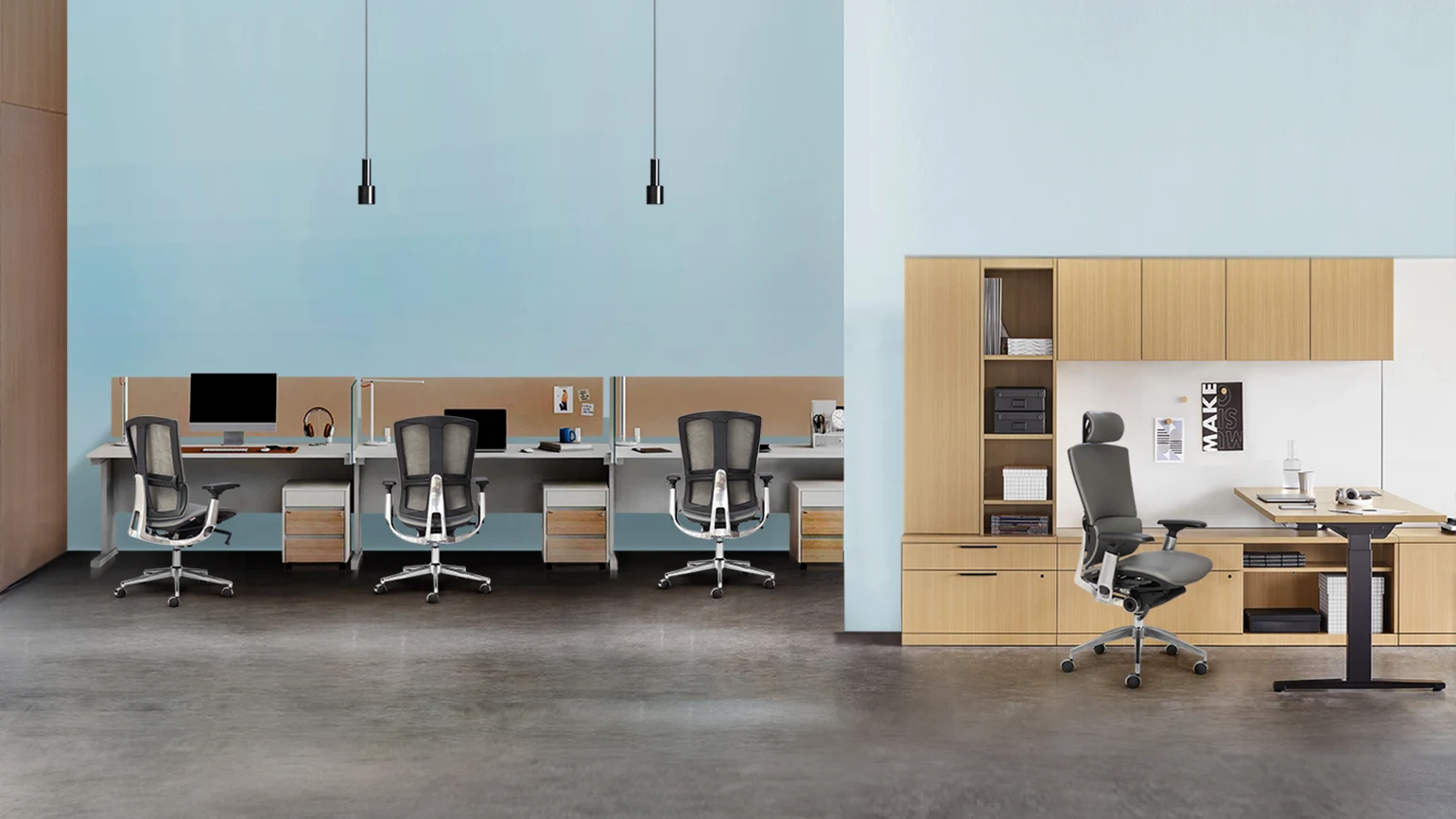
An exceptional chair loses its efficacy if paired with a desk of incorrect height or suboptimal lighting. We approach spatial design with a Human-Centric philosophy. Every ergonomic solution curated by The City is designed to integrate seamlessly into a synchronized furniture ecosystem, ensuring that functionality and aesthetic prestige work in perfect harmony.

Curating High-Performance Environments for the Corporate Elite
For organizations and leaders seeking to solidify their prestige, The City delivers a Synchronized Furniture Ecosystem. A workspace designed with comprehensive ergonomic standards is more than a premium welfare benefit to retain talent; it is a definitive manifesto of corporate culture igniting creativity and amplifying brand authority in the eyes of partners and stakeholders.
The Experiential Journey: Listening to Your Body’s Natural Rhythm
Technical specifications and acclaim for ergonomics remain mere theories until your body truly experiences the support it deserves.
-
The Critical Importance of "Fitting"
Much like a bespoke suit, a premium ergonomic chair must be finely calibrated to the unique physiological proportions of each individual. The "Fitting" process where you personally adjust the mechanisms under expert guidance is an essential step in unlocking the full potential and value of the product.
-
An Exclusive Invitation to Experience
We invite you to step away from daily stressors and visit The City’s premium experiential showroom. Officially inaugurated in mid-March 2026, our expansive gallery features fully simulated workstations that replicate the most demanding professional environments. Come, immerse yourself in elite ergonomic design, and let your body provide the most convincing answer.
FAQ – Expert Insights for Common Inquiries
1. Can ergonomic chairs cure spinal degeneration or herniated discs?
Ergonomic chairs are not medical devices and do not replace professional clinical treatment. However, they serve as a powerful rehabilitative tool, correcting seated posture, minimizing pressure on sensitive regions, and proactively preventing further spinal degradation.
2. How can I distinguish a genuine ergonomic chair from "marketing hype"?
A true ergonomic solution is defined by high adjustability. At a minimum, it must feature seat height calibration, synchronized tilt, adjustable lumbar support, and multi-directional armrests. If a chair is rigid and lacks the ability to adapt to your specific body measurements, it does not meet the criteria for ergonomics.
3. Should I choose foam padding or Full Mesh?
Given Vietnam’s tropical climate and the demands of prolonged focus, Full Mesh is the superior choice. It offers maximum thermal regulation and exceptional tensile resilience, ensuring the seat maintains its anatomical form and weight distribution over time, unlike foam which often loses its integrity after heavy use.