Strategic Planning of Confidential Locker Archiving Systems for Administrative and Accounting Departments
1. Record Categorization - The Foundation of Strategic Planning
To ensure effective archiving, businesses must categorize documents based on their importance and legally mandated retention periods (under the 2015 Law on Accounting and the 2011 Law on Archiving):
-
Financial & Accounting Records: Including invoices, original vouchers, tax reports, and financial statements. This group requires a retention period ranging from 10 years to permanent.
-
Human Resources Records: Labor contracts, personal profiles, and insurance records. These files may need to be archived for up to 75 years.
-
Legal & Contractual Documents: Business licenses, corporate seals, and non-disclosure agreements (NDAs) with partners.
2. Selection Criteria for Confidential Record Locker Systems
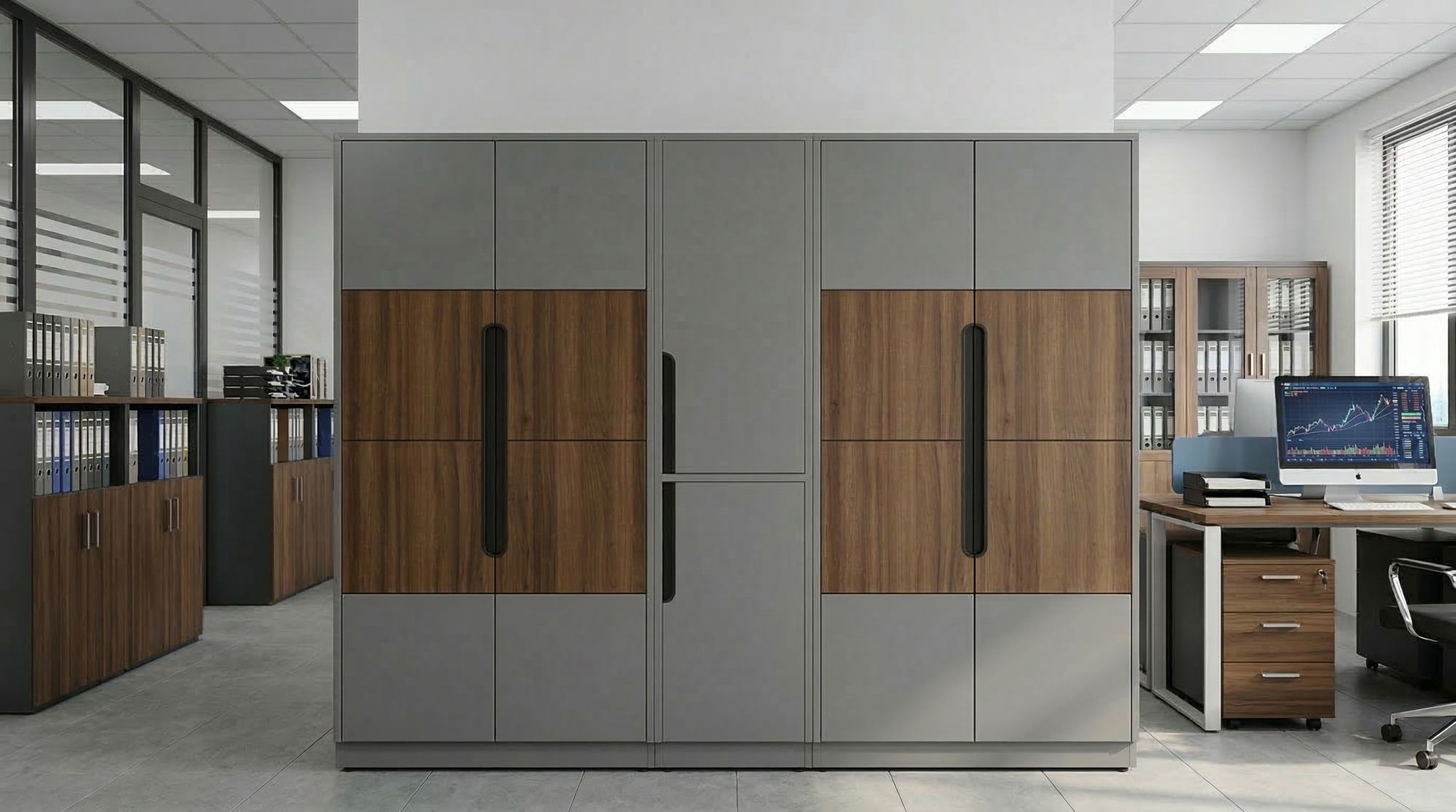
When archiving sensitive files, the choice of equipment cannot be overlooked. A high-quality office locker system must meet three core pillars:
-
High-Level Security: Admin and Accounting departments should prioritize office locker models equipped with multi-point locking systems, digital keypads, or biometric fingerprint scanners instead of traditional keys to ensure strict access control.
-
Durability and Protection: Given the long retention cycles of accounting records, office locker units should be constructed from anti-rust powder-coated steel or premium wood featuring moisture-resistant and fire-retardant properties.
-
Intelligent Design: Drawer dimensions must be precision-engineered to fit standard file sizes (A4, F4). This optimizes storage density and prevents documents from being creased or damaged over time.
Practical Insight: The Synergy of Security and Design
Drawing from our practical projects at The City, we have observed that these three criteria do not exist in isolation; they are deeply interconnected. An office locker system is only truly fit for confidential records when security, material durability, and ergonomic design are integrated into a holistic solution that accounts for business scale, internal control protocols, and the record lifecycle.
Making decisions based on intuition or initial cost alone can lead to significant hidden expenses ranging from data loss and security breaches to the premature replacement of equipment.
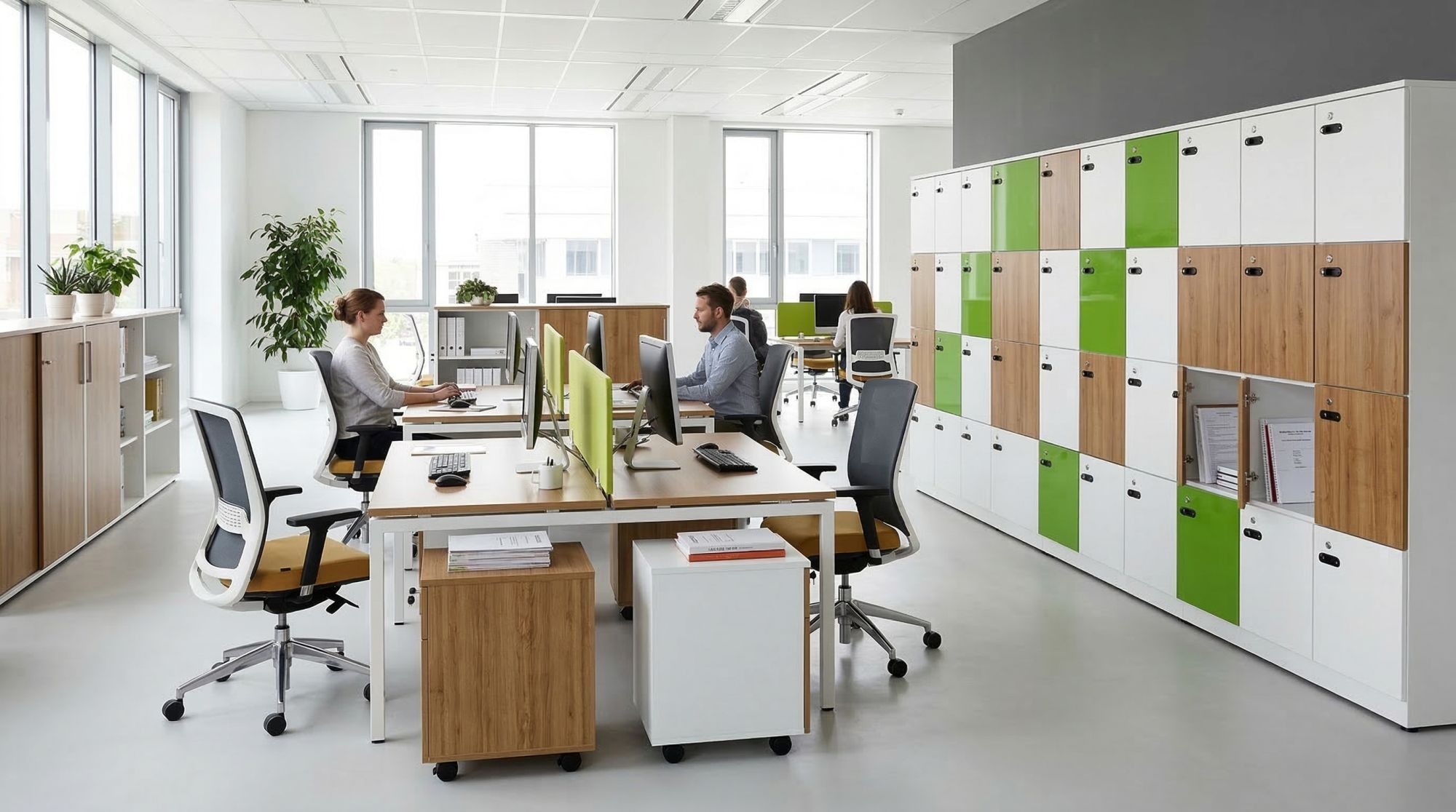
Therefore, before making an investment, businesses should view office locker systems as a fundamental administrative infrastructure rather than a standalone furniture item. This strategic approach empowers Administrative and Accounting departments to be more proactive in data protection, storage optimization, and long-term regulatory compliance especially for organizations with rigorous record-control requirements or those in a phase of rapid scaling.
3. A Scientific Workflow for Archiving Systems
A standard confidential archiving system should be implemented through five methodical steps:
-
Step 1: Collection and Validity Verification Before entering the archive, all documents must be fully signed, stamped, and free of formatting errors. Thorough inspection helps eliminate redundant paperwork, thereby reducing the physical load on the office locker system.
-
Step 2: Coding and Identification Utilize indexing methods (such as color-coding or barcodes) to identify each set of records. This allows staff to retrieve information quickly without directly opening sensitive files, ensuring absolute confidentiality for the internal content.
-
Step 3: Systematic Organization in Specialized Office Lockers Arranging documents within the office locker should follow ergonomic and logical principles:
-
High-frequency records: Placed in compartments at eye level.
-
Low-frequency/Archival records: Placed in the top-most or bottom-most compartments.
-
Use professional ring binders and archival boxes to maintain consistency and protection.
-
Step 4: Establishing Access Privilege Management Access to Accounting office locker units must be strictly regulated. Businesses should issue clear internal protocols regarding document check-out/check-in; only authorized personnel should hold access codes or physical keys.
-
Step 5: Periodic Audits and Secure Disposal On a quarterly or annual basis, it is essential to review the physical condition of the records and the structural integrity of the office locker units. For expired documents (e.g., accounting vouchers after 10 years), a formal report must be filed, followed by secure destruction using specialized paper shredders.
4. The Hybrid Solution: Merging Digitization with Physical Storage
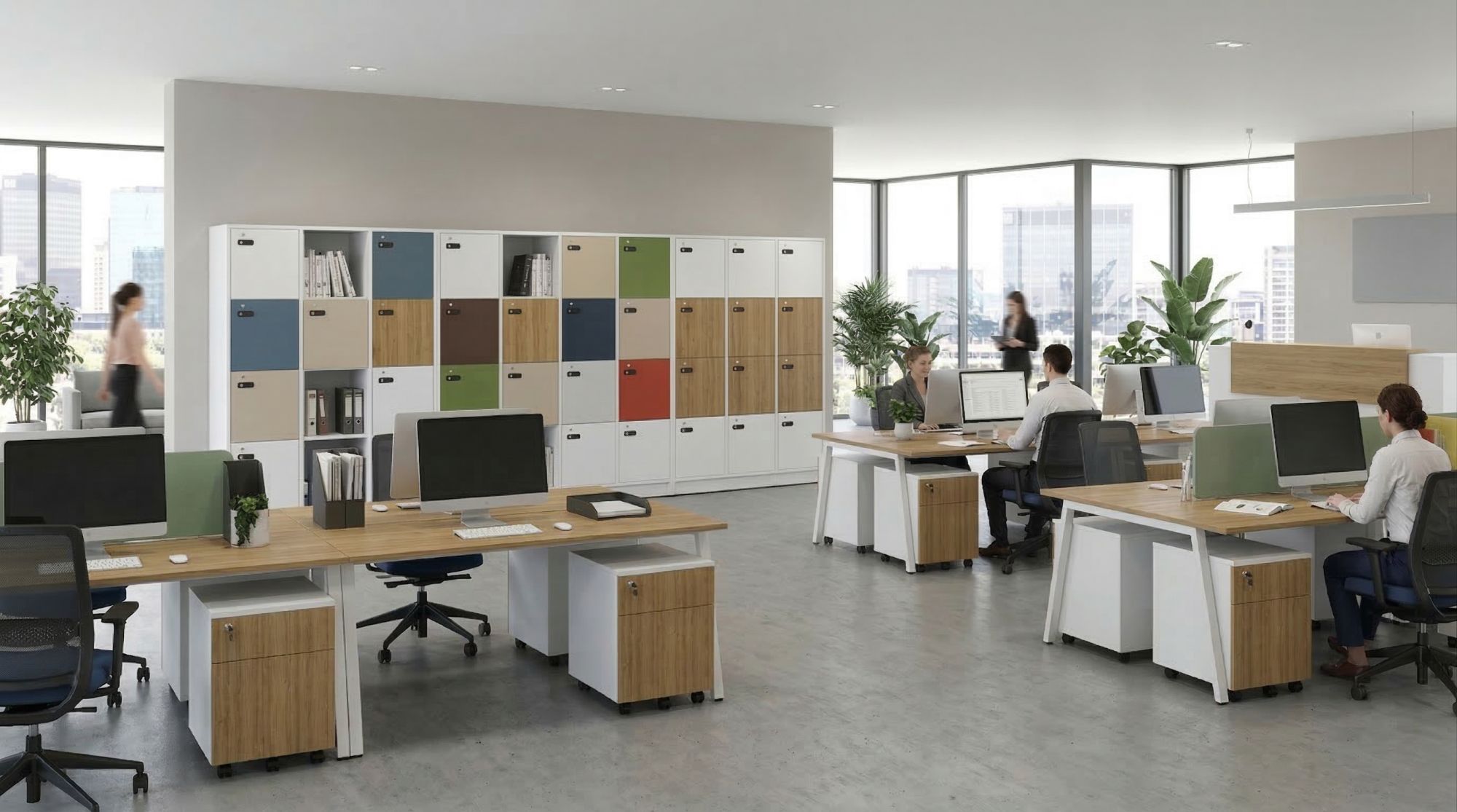
In the digital age, "digitization" facilitates rapid information retrieval and data mobility. However, physical hard copies with original seals remain the highest form of legal evidence. Consequently, the optimal approach is a hybrid solution: storing scanned versions in management software while securely preserving original documents within fire-resistant office locker systems.
5. Conclusion
Strategically planning a confidential archiving system is a sound investment in the security and professionalism of any enterprise. By integrating rigorous management protocols with high-quality office locker solutions, Administrative and Accounting departments can maintain superior information control, mitigate operational risks, and significantly enhance workplace efficiency.