Key Criteria for Choosing a Professional Design-and-Build Office Interior Partner in Vietnam
In a volatile economic landscape, the office is no longer merely a workspace; it has evolved into a strategic asset for talent management and brand positioning. However, translating 3D renderings into a tangible reality demands absolute precision from the contractor. How can a business identify an office interior partner that possesses both integrity and expertise? This article outlines the essential criteria for selecting a contractor to ensure your organization makes a well-informed decision.
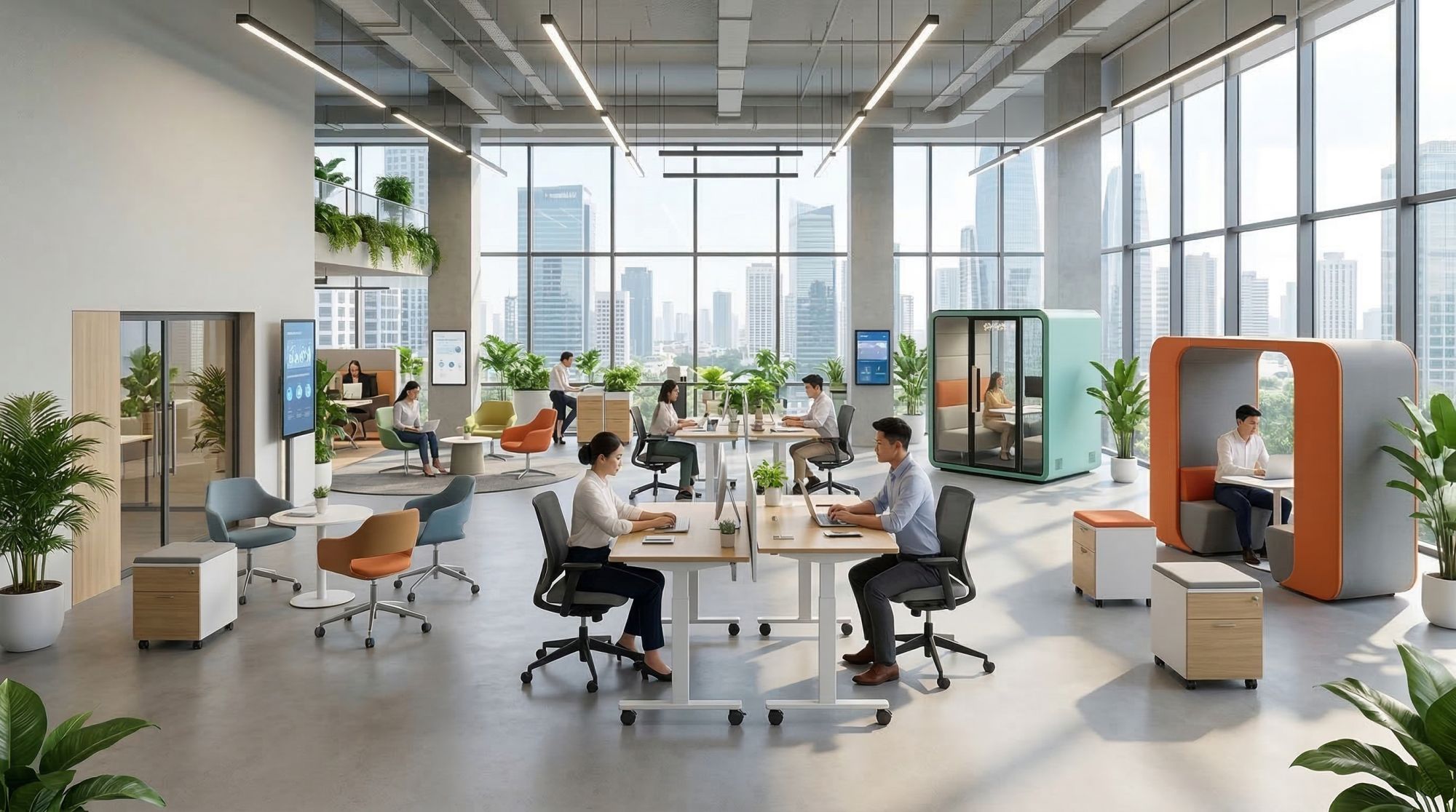
1. Why is a Rigorous Selection Process Essential for Your Office Contractor?
The interior construction phase is the most capital-intensive stage of any project. Even a minor oversight in contractor selection can lead to severe repercussions:
-
Schedule Delays: Directly impacting the official launch and the organization's operational roadmap.
-
Budget Overruns: Unforeseen expenses arising from hidden fees or inaccurate initial estimations by inexperienced contractors.
-
Technical Risks: Non-compliant electrical, plumbing, and fire safety (Firefighting & Prevention) systems, which pose safety hazards and create complications during the final handover with building management.
2. 8 Golden Criteria for Selecting a Turnkey Office Interior Contractor
2.1. Proven Track Record and Industry Experience
Experience is the ultimate measure of capability. Priority should be given to firms with at least 5–10 years of operation and a diverse project portfolio.
-
Relevant Projects: Has the contractor executed offices of a similar scale or design language to your vision?
-
High-profile Clients: Firms that have collaborated with FDI corporations (from Japan, Korea, etc.) typically adhere to rigorous quality management systems and high levels of discipline.
2.2. Integrated Design & Build (D&B) Capacity
The Design & Build model is a global industry standard. Choosing a single partner to manage the project from A to Z ensures seamless integration between architectural intent and technical execution. This holistic approach eliminates the "blame game" between designers and contractors should issues arise.
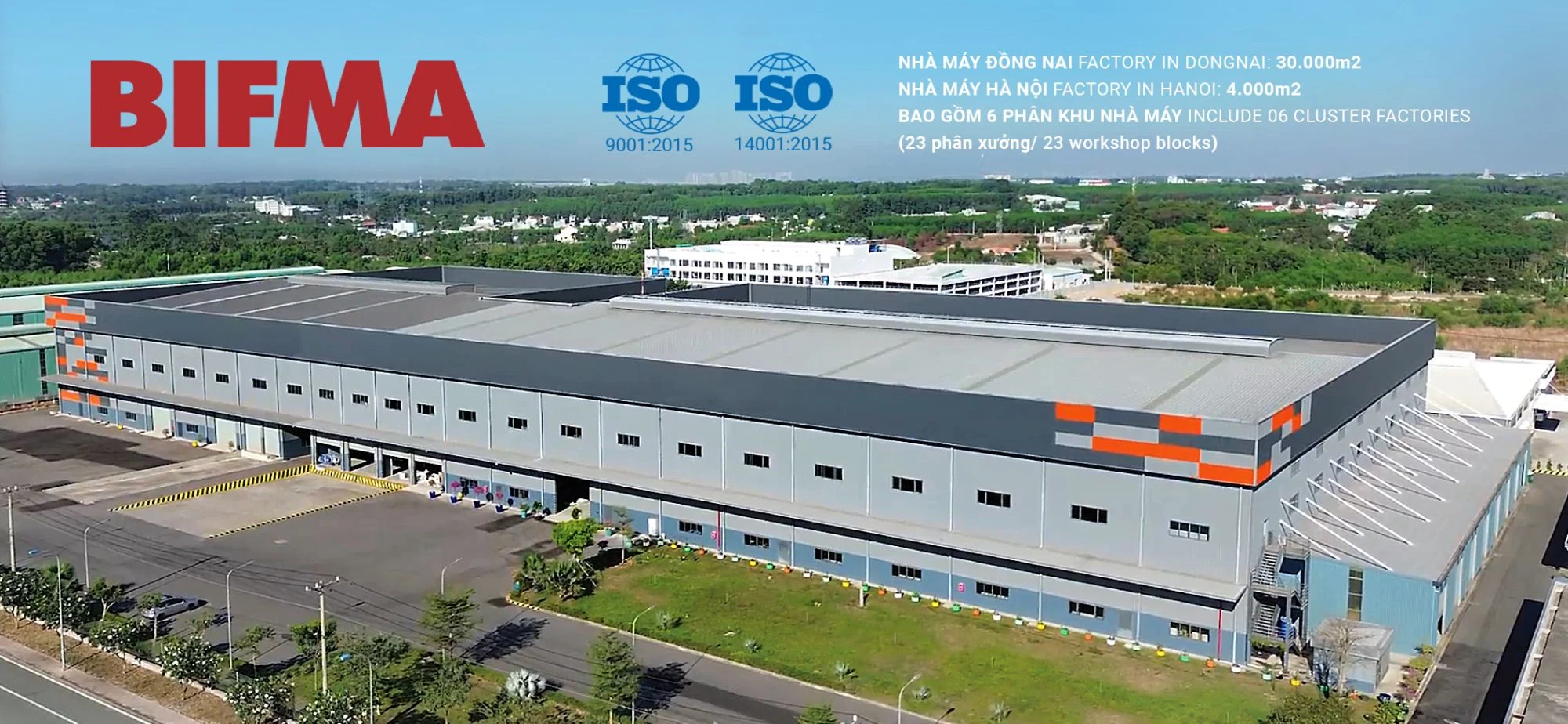
2.3. In-house Manufacturing Facilities
Owning a direct factory is a key factor in budget optimization and quality assurance.
-
Quality Control: The contractor directly selects raw materials (e.g., moisture-resistant MDF, natural wood) and premium hardware (e.g., Blum, Hafele), while strictly supervising the finishing and edge-banding processes.
-
Cost Efficiency: Direct manufacturing can reduce costs by 15% – 20% compared to commercial entities that outsource production.
2.4. Multidisciplinary Team of Professionals
A reputable contractor relies on the seamless coordination of:
-
Architects: Experts who provide modern workplace solutions such as Biophilic Design (green offices) and Agile Workspaces (flexible environments).
-
Site Engineers: Certified professionals who provide constant on-site supervision to ensure labor safety and the precision of every technical detail.
2.5. Transparency in Quotations and Legal Documentation
A professional proposal must include a detailed Bill of Quantities (BOQ). You need clarity on:
-
Specified material brands.
-
Transparent unit rates (per m², per linear meter, or per set).
-
Contractual clauses guaranteeing no unforeseen costs after signing.
2.6. Written Timeline Commitments
The construction schedule must be visualized through a Gantt Chart. Each phase (Shell & Core, MEP, Interior Fit-out) requires clear milestones and defined penalties for delays. This reflects the contractor’s professionalism and accountability.
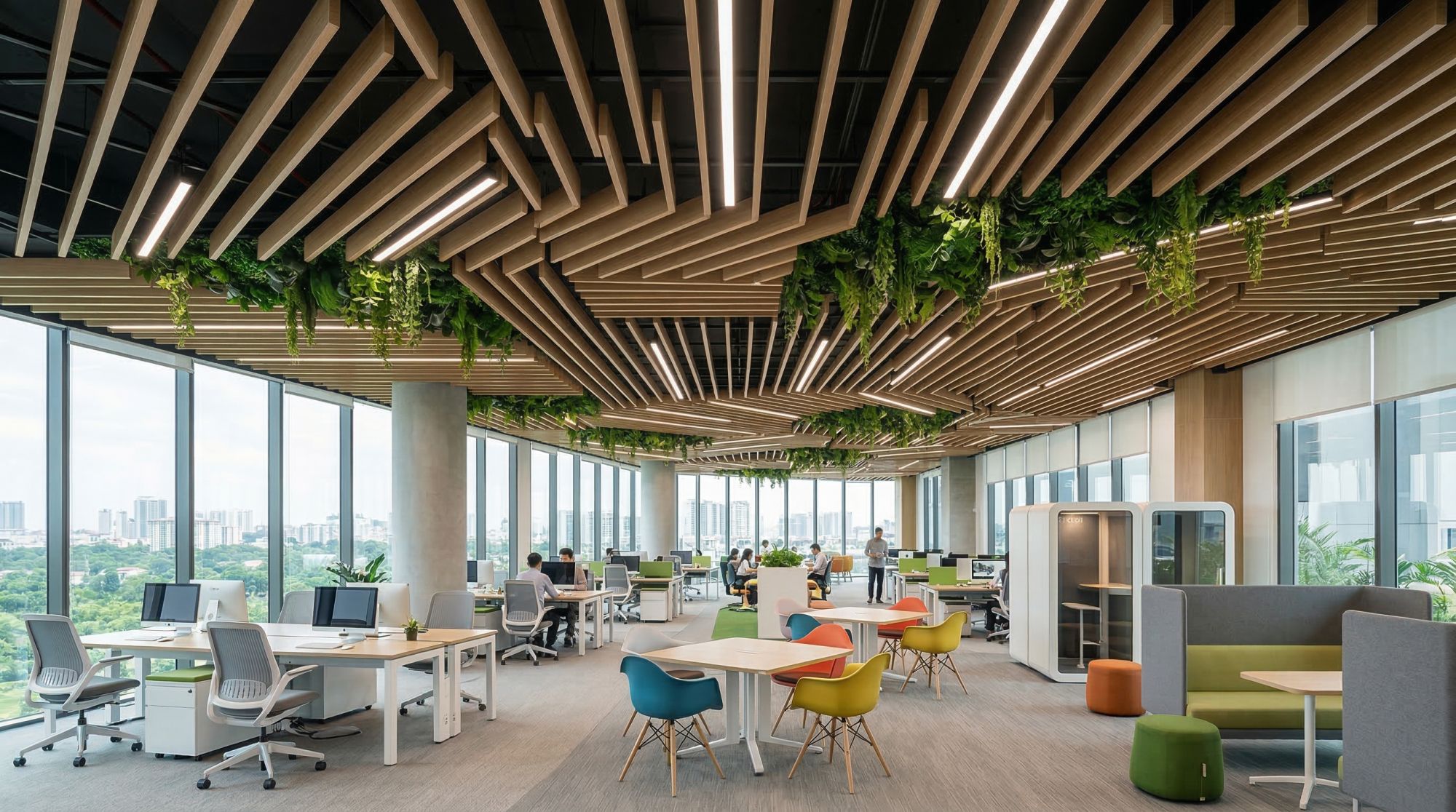
2.7. Regulatory Compliance and Fire Safety Excellence
Navigating construction permits in high-rise buildings or industrial zones is a complex undertaking. A reputable partner will assist the client in preparing comprehensive documentation—including MEP drawings, contractor competency profiles, and Occupational Health and Safety (OHS) certifications—to ensure swift project approval and compliance.
2.8. Comprehensive Warranty and Long-term After-sales Policy
The true quality of office interiors is only proven after 6–12 months of continuous use. It is essential to prioritize contractors who offer:
-
Extended Warranty: A minimum of 12–24 months.
-
Scheduled Maintenance: Commitment to periodic inspections every 6 months.
-
Rapid Response: A guaranteed response time of 24–48 hours for technical issues.
The framework for selecting an office furniture partner is only complete when backed by a robust after-sales commitment. In practice, operational durability manifests after a period of occupancy; therefore, clear warranty terms and proactive maintenance are vital. These factors are key to mitigating operational risks, safeguarding your investment value, and ensuring a seamless, high-quality workplace experience for your personnel.
3. A Standardized Execution Process for Cost Optimization
Understanding the standard fit-out workflow allows businesses to proactively monitor and control quality at every milestone:
-
Site Survey & Consultation: Conducting on-site measurements and providing preliminary strategic advice based on the client’s budget.
-
Design & Budgeting: Finalizing 3D renderings and developing a detailed cost estimation based on specified materials.
-
Contract Execution & Production: Manufacturing loose furniture and customized components at the factory to precise specifications.
-
Installation & On-site Execution: Implementing structural categories including ceilings, flooring, partitions, and MEP systems, followed by furniture assembly.
-
Testing, Commissioning & Handover: Conducting professional industrial cleaning and delivering the As-built documentation for final handover.
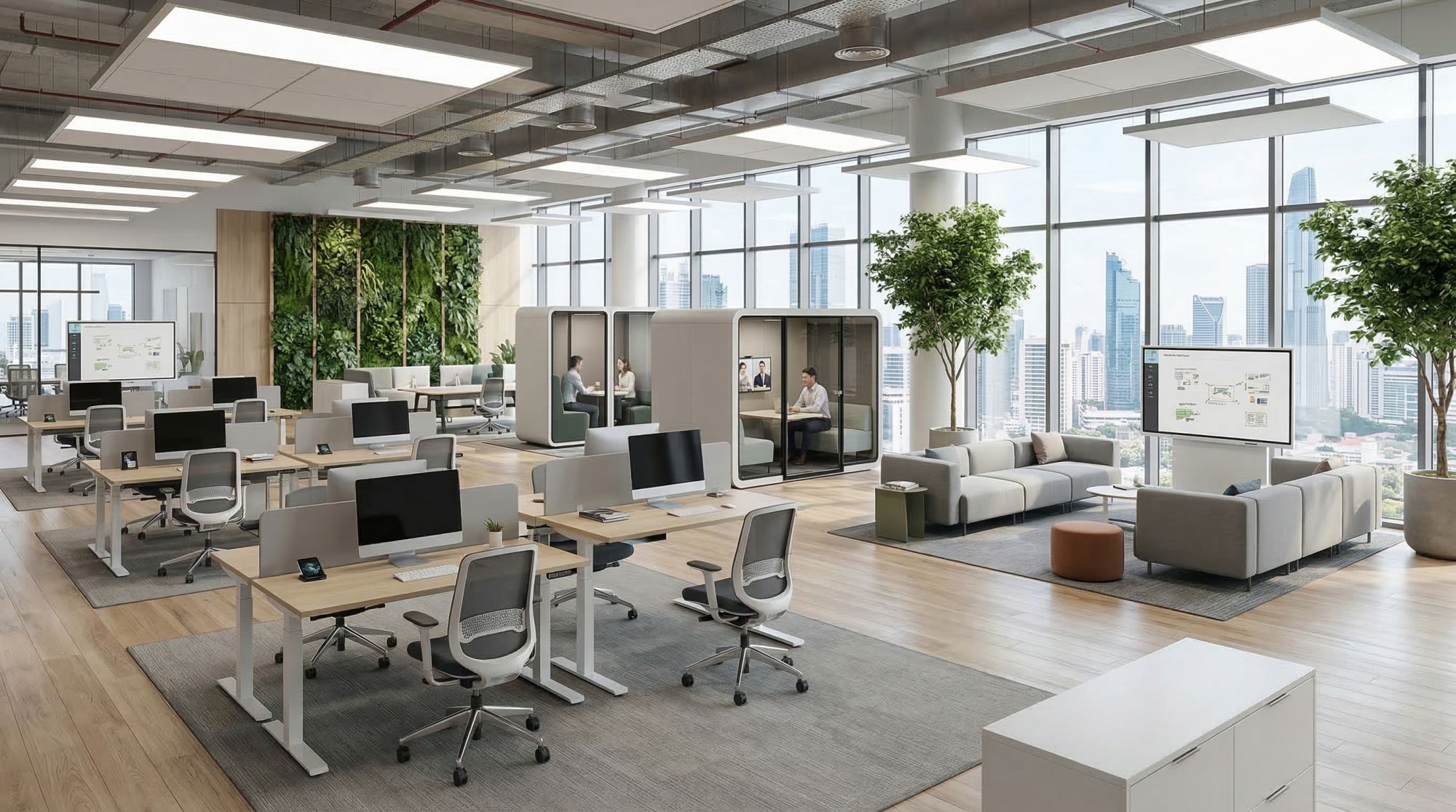
4. Conclusion
With years of expertise in consulting and delivering office interior projects for major corporations, The City maintains that standards for materials, ergonomics, construction processes, and after-sales service are no longer mere "add-ons"—they have become the mandatory foundation of a professional workspace. Practical implementation demonstrates that offices characterized by stability and sustainability are built upon a clear framework of standards from the outset, spanning design and product selection to execution and maintenance. These are the exact benchmarks that The City integrates into every project to ensure that the workspace fulfills the highest demands for performance, aesthetics, and long-term utility.
Selecting the right office interior contractor is, therefore, more than just a procurement decision; it is an investment in a trusted partnership. Businesses should prioritize partners who offer transparency in material sourcing, a structured methodology, and a robust after-sales policy to guarantee long-term operational efficiency for their workplace.