Modern Executive Office Design Trends for Multinational Corporations: Redefining Authority in the Digital Era
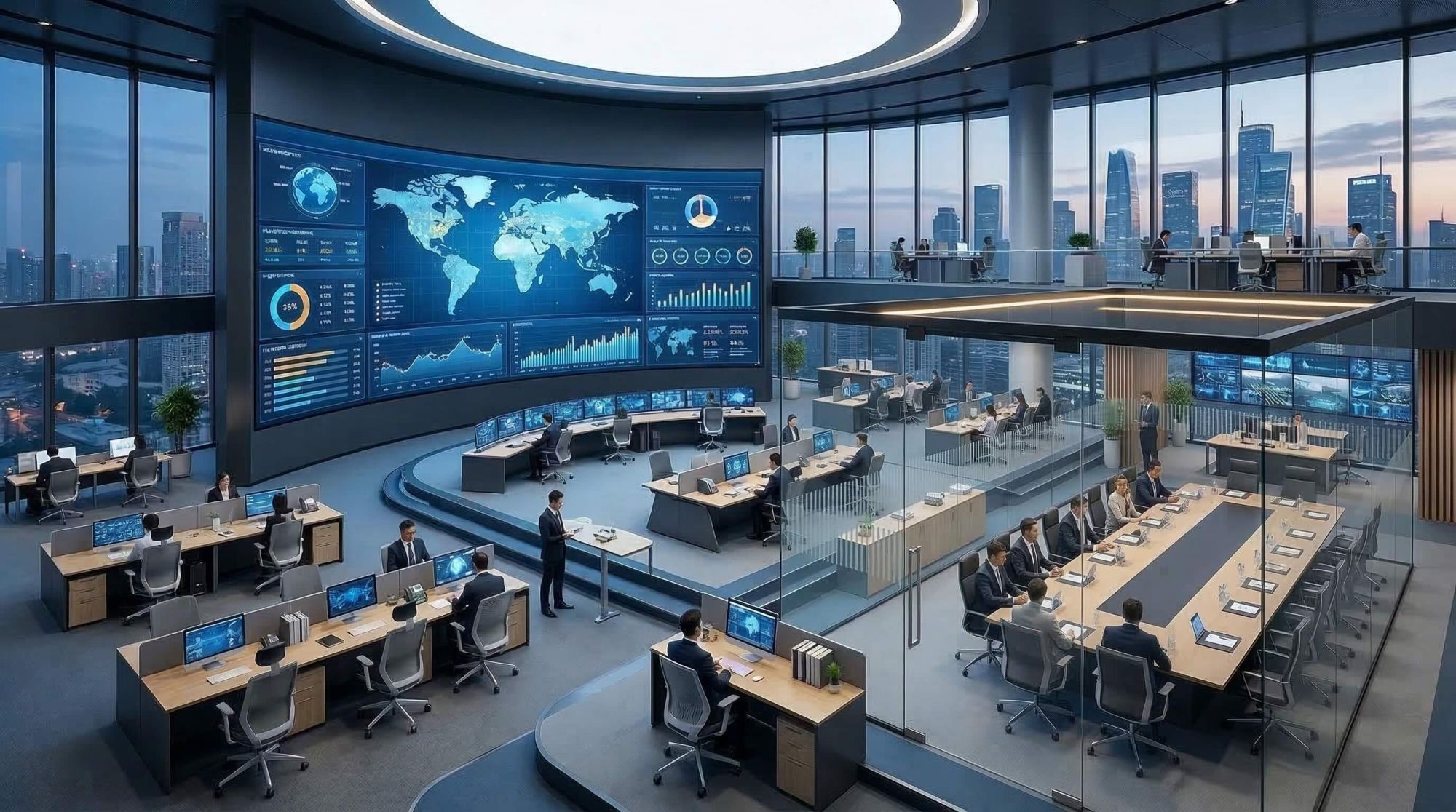
In the ecosystem of Multinational Corporations (MNCs), the executive office is more than a personal workspace; it is a strategic "command center" that reflects the stature and core values of the enterprise. For an architect, the primary challenge lies not just in the spatial layout, but in selecting executive office furniture systems that meet global ergonomic standards while exuding the sophistication and prestige of a top leader.
The shift from the "closed-door leadership" model to a "flexible executive ecosystem" has established new benchmarks for high-end interior design in 2026.
1. Top 03 Executive Office Design Trends in 2026
1.1. Hybrid Executive Suite
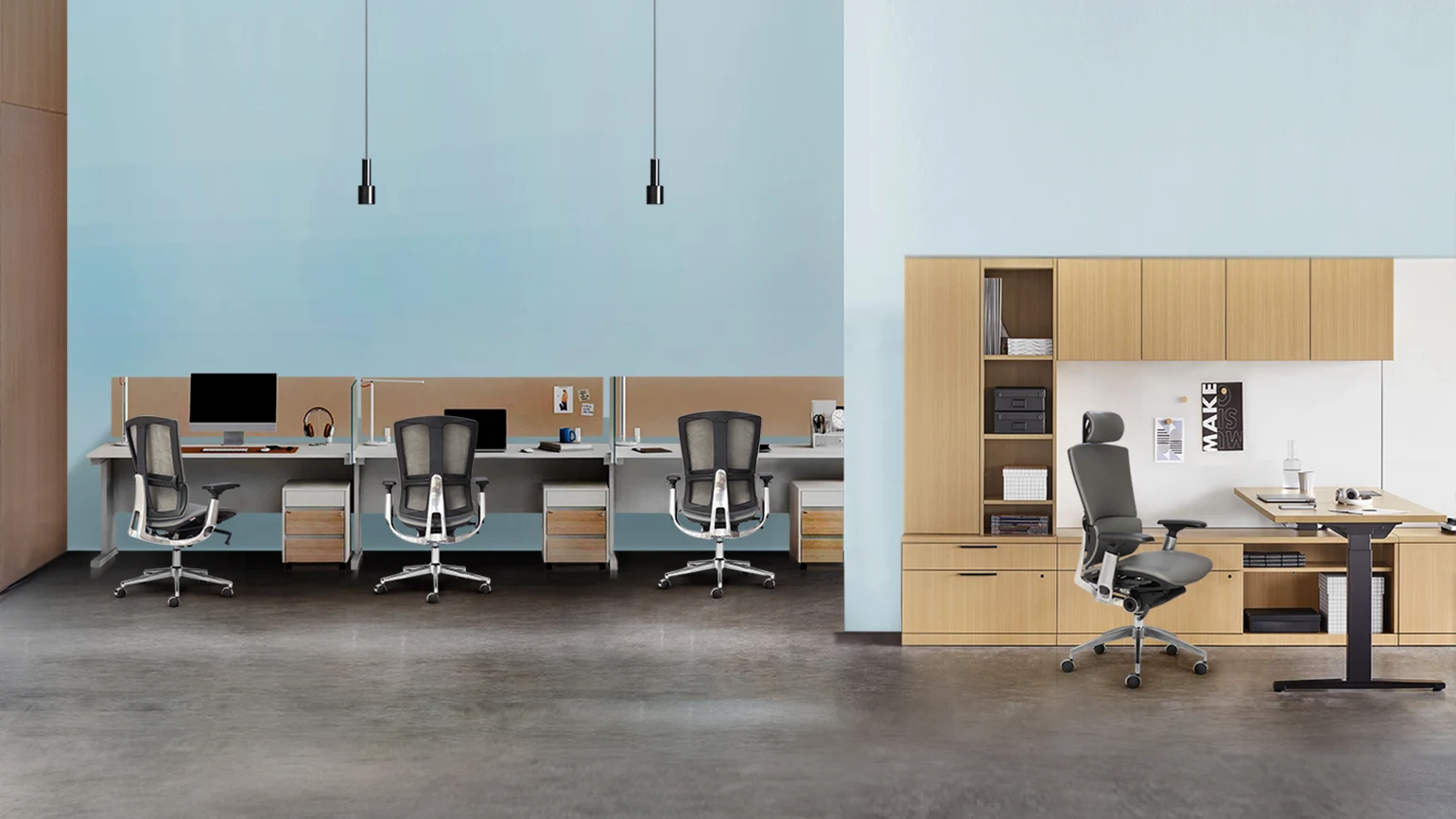
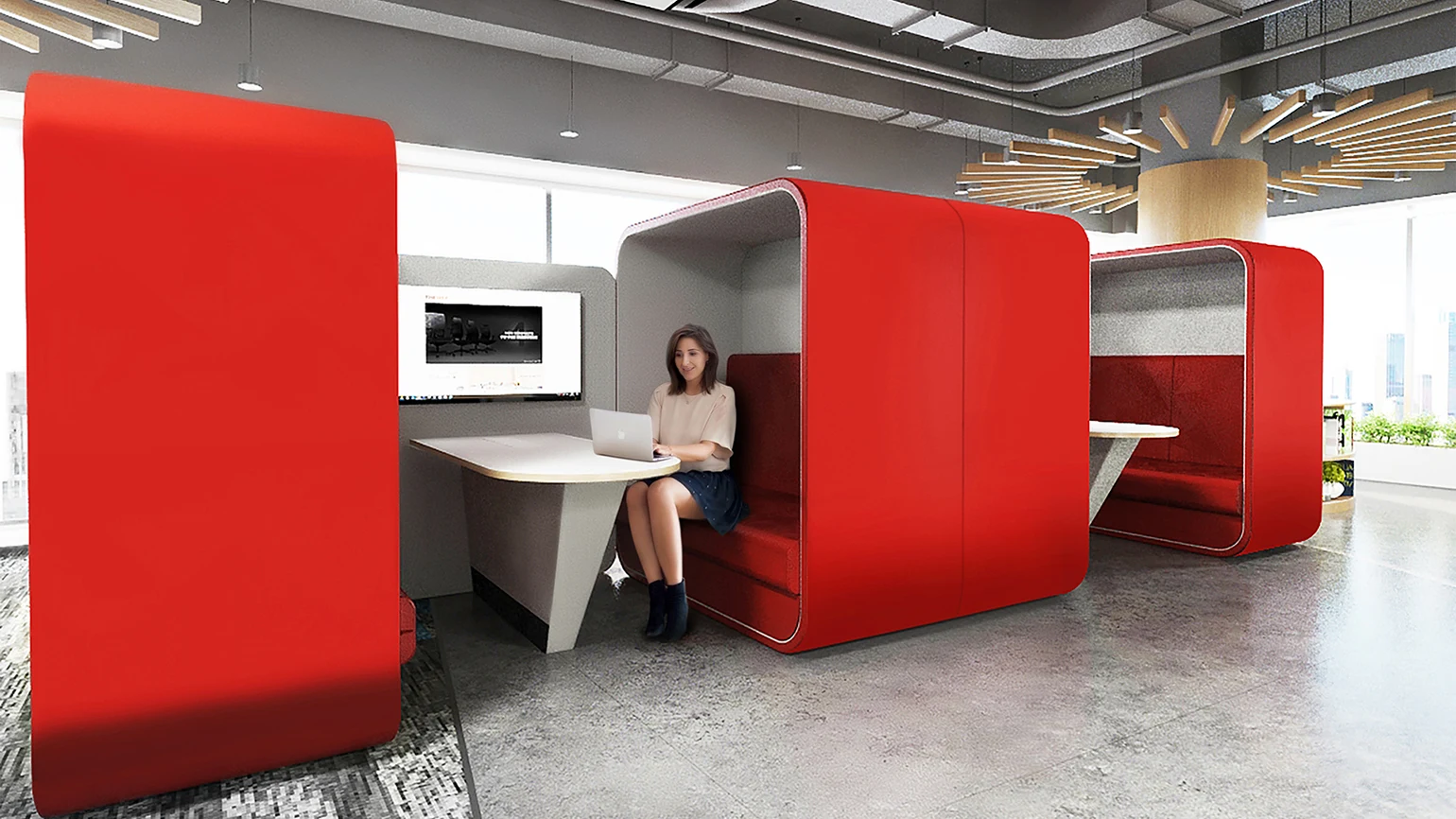
Rigid structures are disappearing. Spaces are now partitioned into functional zones: a focused deep-work area, a huddle space for quick meetings, and an intimate lounge for guests. Architects often utilize Switchable Glass partitions to transition from absolute privacy to an open-plan feel with a single touch.
1.2. Digital Nomad Leadership
Executives at MNCs frequently manage operations across multiple time zones. This design style prioritizes "Tech-minimalism."
- Technical Requirements: Ceiling-mounted conference audio systems and Auto-framing motion-tracking cameras are mandatory.
- Work-from-office Corner: Designed with a professional backdrop to ensure brand identity remains consistent across all global virtual meetings.
1.3. Wellness-Centric & Biophilic Design
In 2026, green design is an integrated system. It includes Circadian Lighting (biologically effective lighting) and Tactile Materials (raw, natural textures) to reduce stress and stimulate the executive's intuition.
2. Standards for Selecting "Executive Office Furniture" for MNCs
In the premium segment for MNCs, furniture is not just an object; it is a performance-enhancing tool.
2.1. The Executive Desk: An Intersection of Art and Engineering
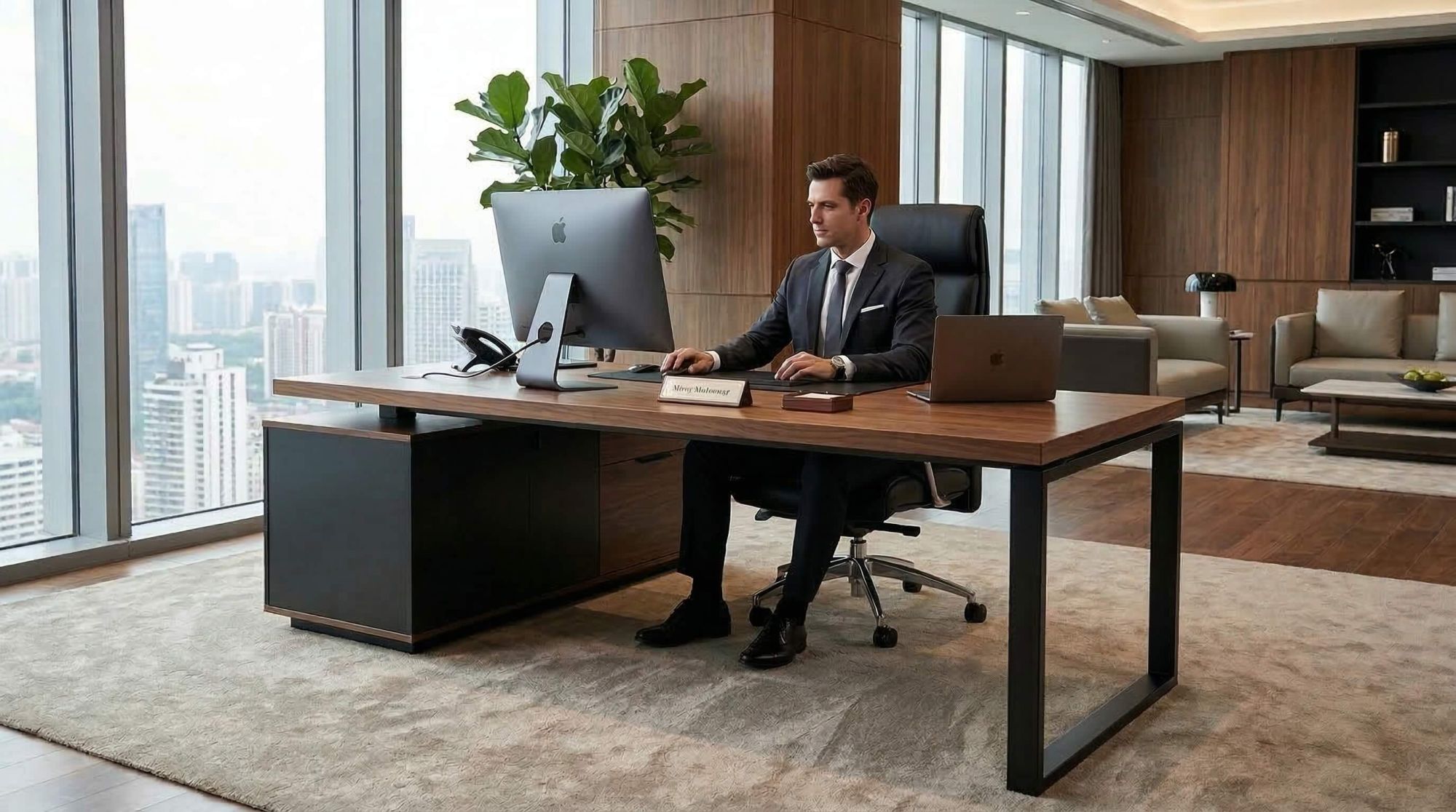
Architects should prioritize desk lines using Fenix surfaces—a nanotechnology material that is anti-fingerprint and features thermal healing of superficial micro-scratches.
- Integrated Technology: Height-adjustable systems should be seamlessly built into the legs, featuring app-integrated position memory.
- Power Management: Long-range wireless charging hidden beneath the wood surface and Universal power hubs are the details that define professional excellence.
2.2. The Executive Chair: The Pinnacle of Ergonomics and Branding
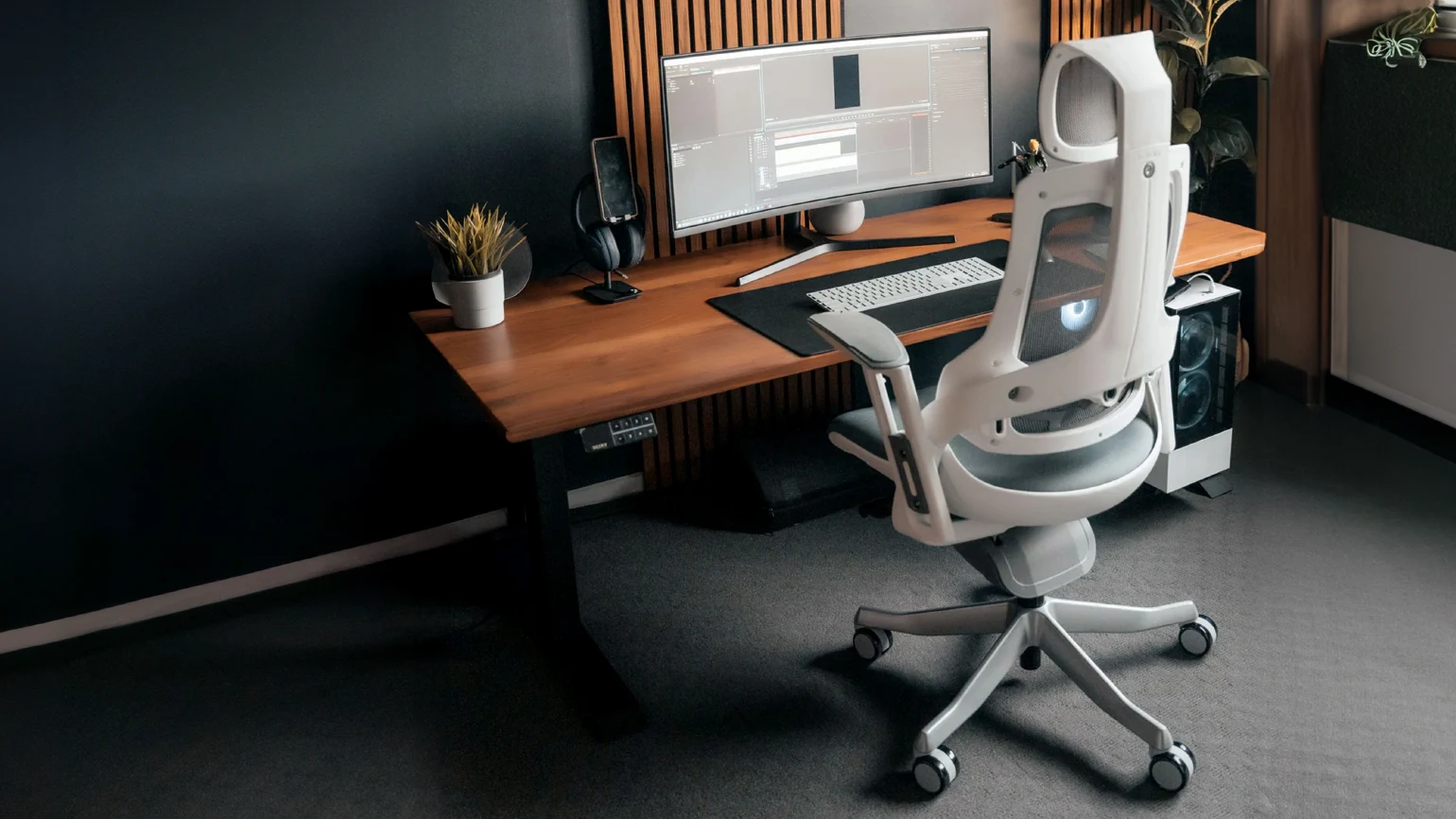
A complete executive office furniture set is unfinished without a high-performance chair. Modern MNC chairs favor Weight-sensitive mechanisms over rigid manual levers. The chair automatically adjusts the recline tension based on the user's weight, ensuring a fluid transition from a focused work posture to a relaxed state.
Key Material & Customization Factors:
- Materials: Choose between premium Nappa leather for luxury or high-tech mesh for maximum breathability.
- Personalization: Architects should partner with manufacturers that support bespoke customization. This allows for bespoke stitching that matches the corporation’s brand colors or embroidered logos on the headrest.
3. Critical Considerations for MNC Project Execution
3.1. Acoustic & Privacy
In an MNC environment, the executive office is where sensitive HR and strategic decisions are made. Therefore, Speech Privacy is a prerequisite. Architects must ensure a Sound Transmission Class (STC) of 45-50 for the suite by combining mineral fiber ceilings with 3D acoustic wall panels.
3.2. ESG & Sustainability
MNCs typically publish annual sustainability reports; therefore, all furniture must have environmental "passports":
- EPD (Environmental Product Declaration): Providing transparent data on the product's environmental impact.
- Greenguard Gold: Certified for low chemical emissions to protect the leader's long-term health.
3.3. Cultural Fusion
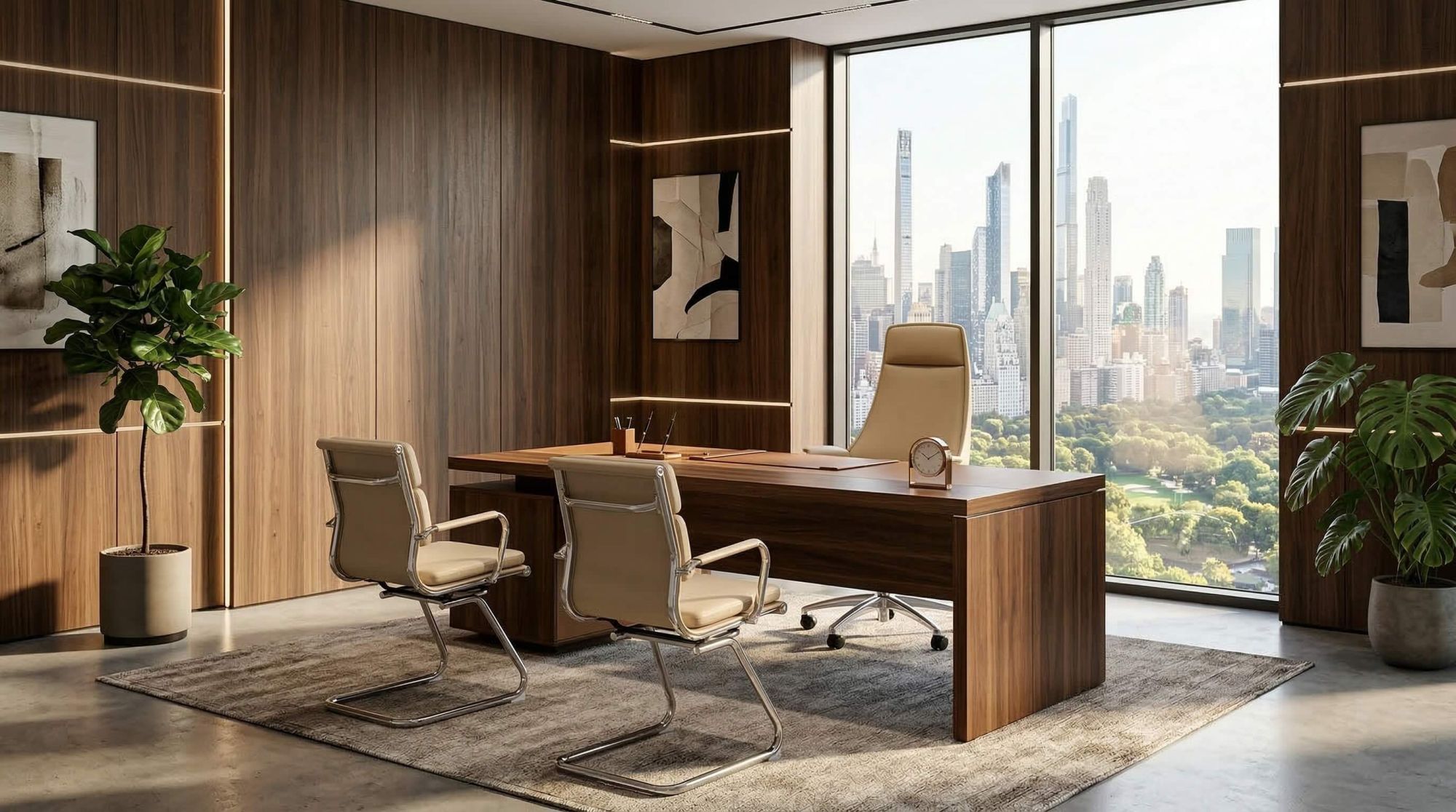
Subtly integrate local cultural elements—such as contemporary lacquer paintings or handcrafted rattan details—into the modern framework. This helps expatriate executives feel a deeper connection to the local market and community.
Conclusion
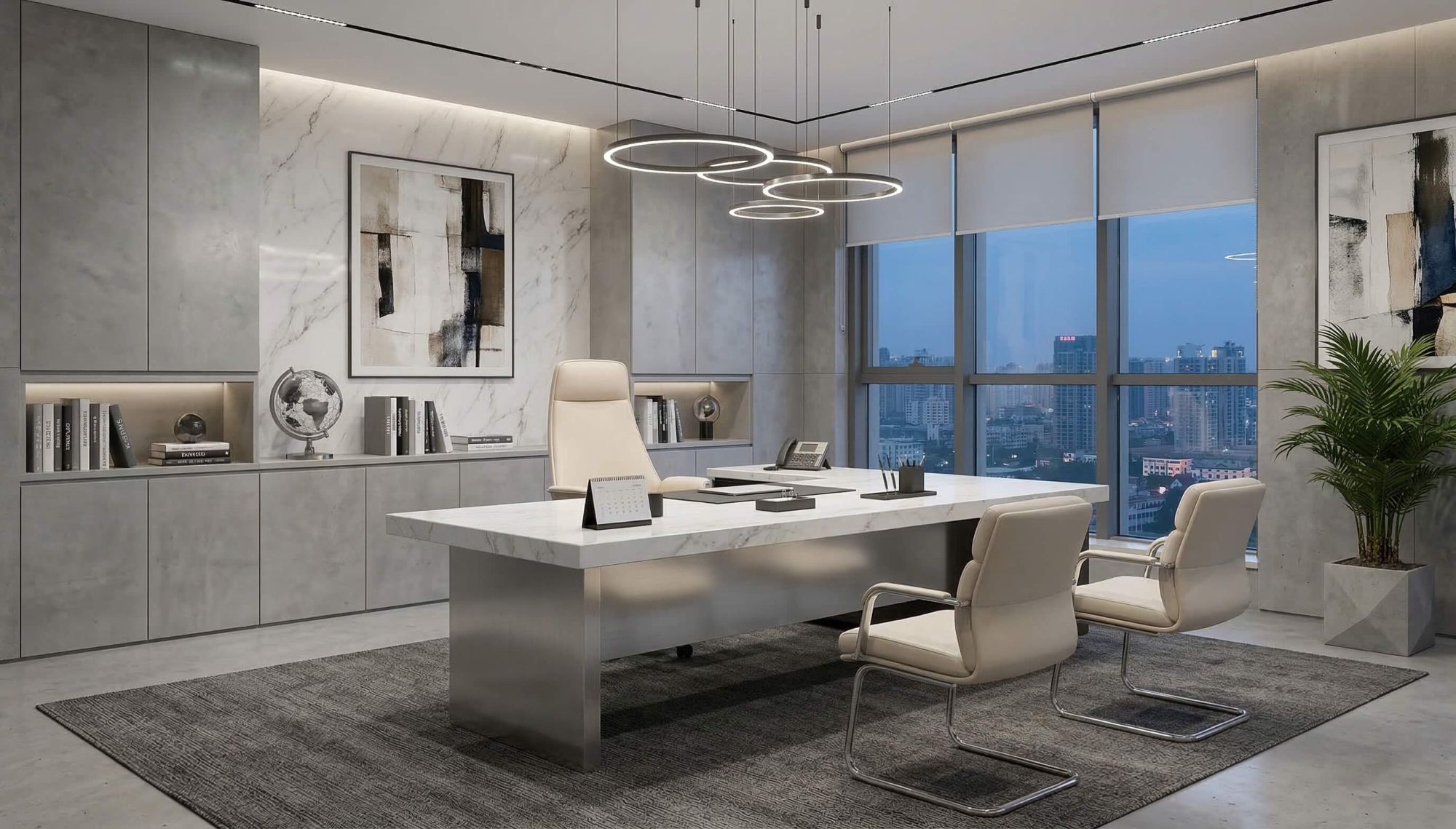
Modern executive office design is no longer a mere display of power. It is the process of creating an environment that drives performance, protects health, and affirms a global vision. Choosing the right executive office furniture system is the key to materializing a corporation’s management philosophy.