Implementing Ergonomic Standards in Projects: Why Choose The City Ergonomic Chairs for Tender Documents?
Office chairs in projects: Choose cheap price or Ergonomic standards?
This is a classic question in construction plan finalization meetings. As a design consultant, protecting the plan to use ergonomic chairs relies not only on the "soft sitting" feeling but needs convincing technical evidence.
This article will "dissect" the most important Spec parameters of the office ergonomic chair line from The City collection, helping you build a quality bid file, perfectly balancing the investor's budget and the end-user's health.

In the wave of modern office design, the concept of "Workplace Wellbeing" is shifting from a luxury trend to a mandatory standard. Green building certifications like LEED or WELL are increasingly focusing on human factors, where the office chair (ghế văn phòng) plays a central role.
For Architects and Design Consultants, including a chair product code in the Tender document is not merely about filling space. It is a problem of balancing: Budget – Durability – and User Ergonomics.
Why has the ergonomic chair (ghế công thái học) become the "hottest" keyword in recent interior Spec sheets? And how to choose the right chair line for Mass volume projects? This article will analyze deeply from a technical perspective.
1. Ergonomics: From "Trend" to Mandatory Technical Standard
Previously, the criteria for choosing an office swivel chair (ghế xoay văn phòng) usually stopped at: Has wheels, height adjustable, and cheap. However, with the rapid increase in office diseases (back pain, cervical spondylosis), investors are becoming stricter.
A chair that meets Ergonomic standards is not an emotional choice but a preventive medical device. When Specifying products for a project, Architects need to clarify to the investor that: Investing in genuine ergonomic chairs (ghế công thái học chính hãng) is investing in Labor Productivity.
Why do large-scale projects need to care?
With hundreds of personnel, using non-standard chairs will lead to high sick leave rates and a decline in overall performance. Therefore, in current interior Fit-out bid packages, the office ergonomic chair (ghế công thái học văn phòng) category often accounts for the highest interest.
2. Dissecting an Ergonomic Chair: Essential Specs to Note
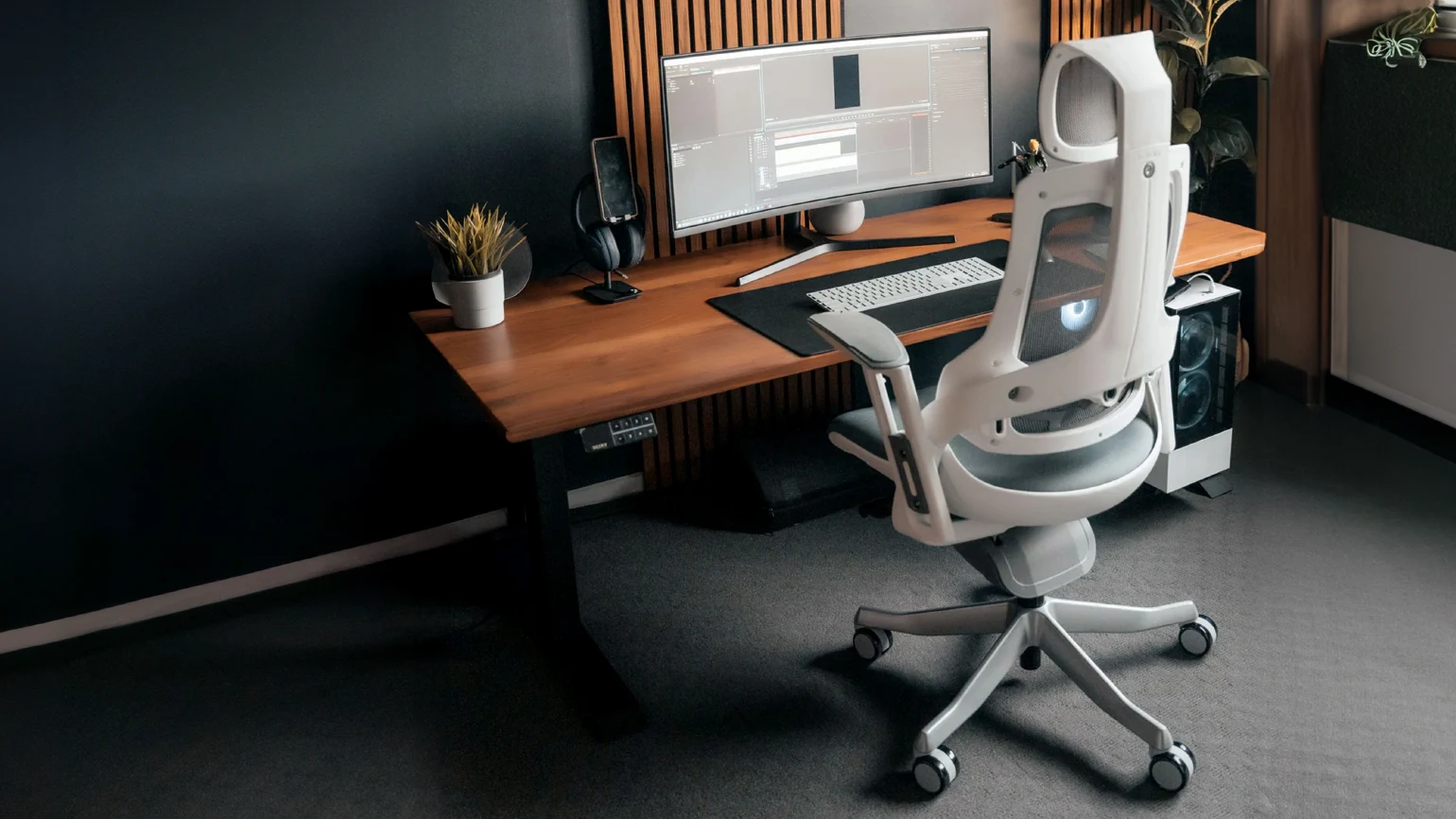
To persuade investors to approve samples, Designers need to master the technical structure. Below are the core components that make up a quality ergonomic chair from The City:
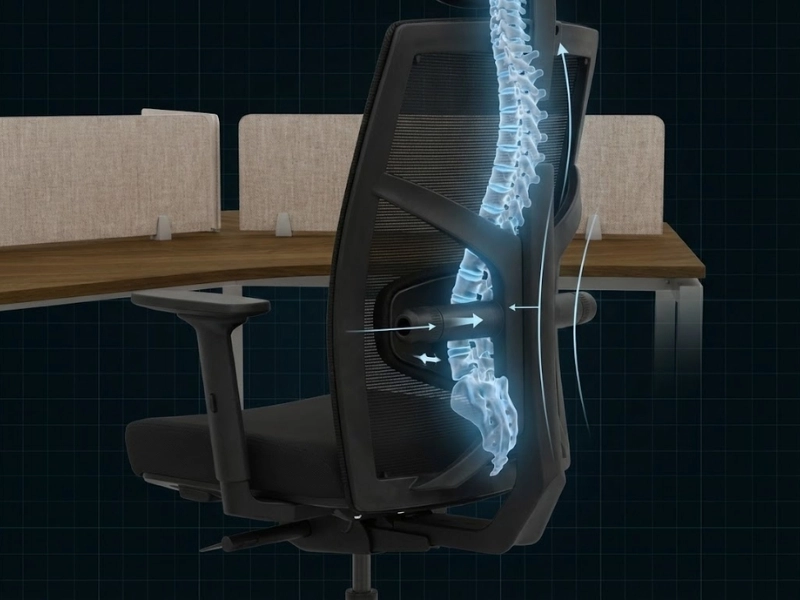
2.1. Lumbar Support – The Heart of Ergonomics
This is the most important feature distinguishing regular chairs from ergonomic chairs.
- Technical Spec: The Lumbar support part must be independently adjustable (up/down or in/out) to rest correctly against the user's L4-L5 vertebrae.
- Value: This is the anti-hunchback ergonomic chair (ghế công thái học chống gù) factor, helping to maintain the natural physiological curve of the spine, reducing pressure on the discs when sitting for 8 continuous hours.
2.2. 2D/3D Headrest
In low-budget projects, headrests are often cut. However, for Senior or IT/Developer positions, this is an indispensable detail.
- Spec: The headrest should be adjustable in Height and Angle to support the C1-C7 cervical vertebrae, minimizing shoulder and neck fatigue.
2.3. Multi-directional Armrest
Fixed armrests are the "enemy" of shoulders.
- Spec: Should spec 3D armrests (Height, slide forward/backward, angle rotate) or at least Height adjustable armrests. This helps the user's arms always be supported at desk level, avoiding shoulder shrugging which causes trapezius muscle pain.
2.4. Mechanism
- Single-lock: Often used for cheap staff chair (ghế nhân viên) lines. Only locks in the upright sitting position.
- Multi-lock: Recommended for high-end projects. Allows users to recline and lock the chair at various angles (90 - 135 degrees) for relaxation.
2.5. Gas Lift (Piston) and Base
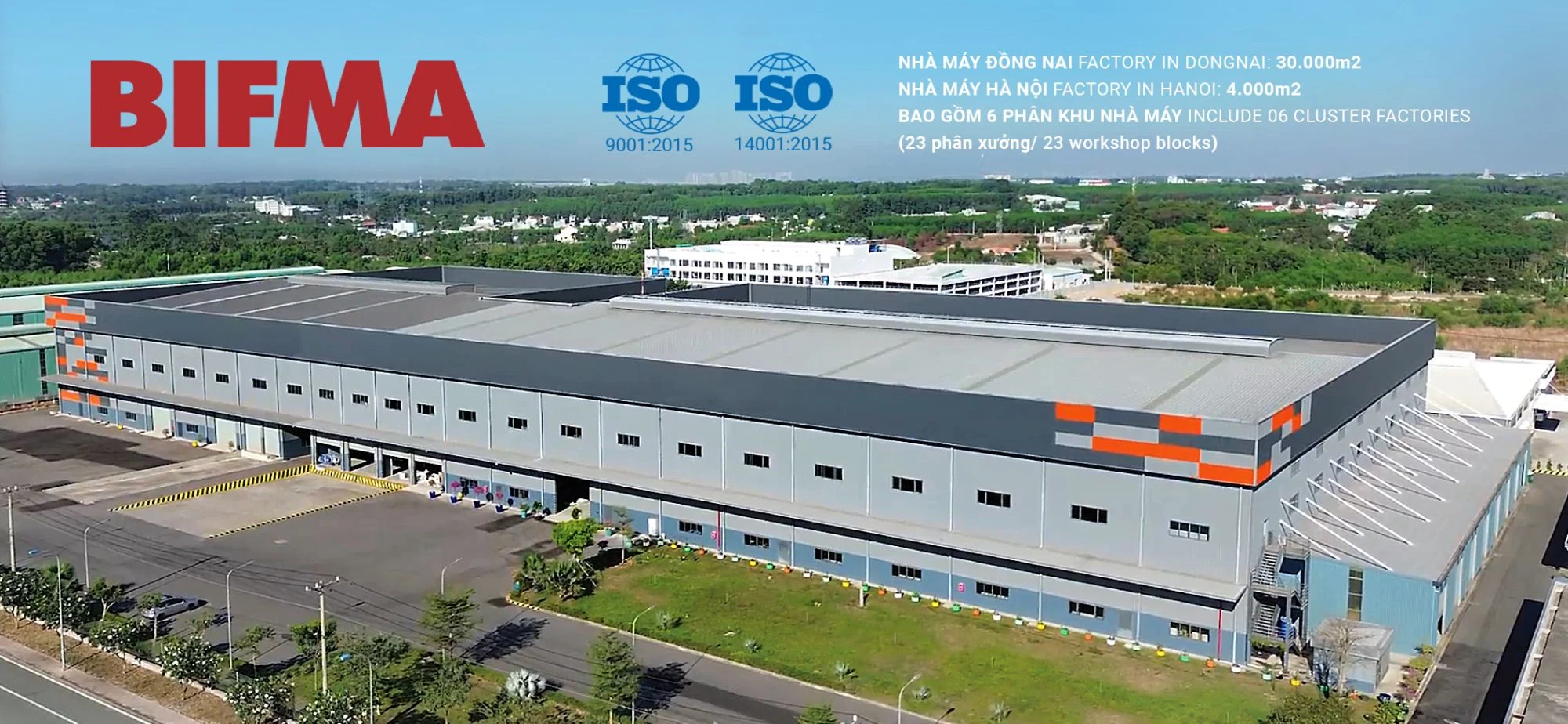
Safety first. Pistons must meet BIFMA or SGS standards (Class 3 or Class 4) to ensure load-bearing capacity and explosion protection. Chair bases should be made of solid molded Nylon or aluminum alloy to ensure durability for public projects with high usage frequency.
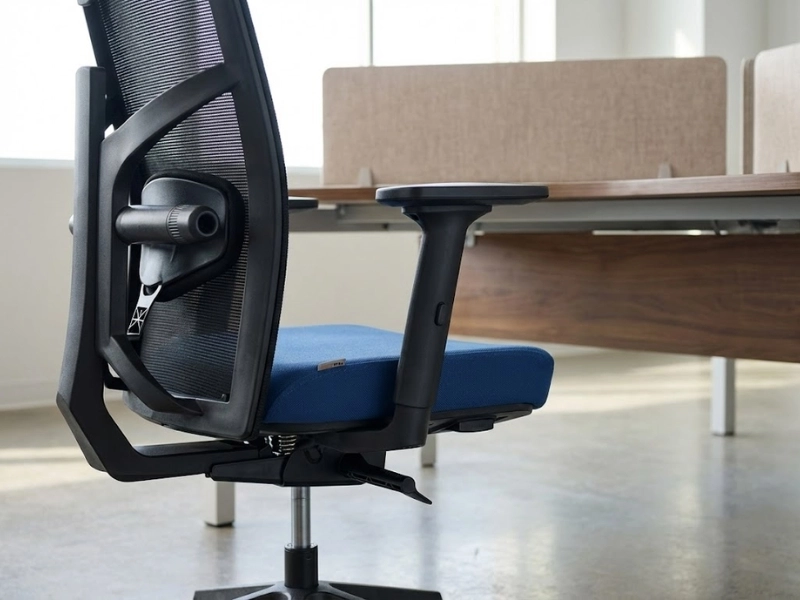
3. Surface Material: Why is Mesh Reigning Supreme?
In the tropical monsoon climate of Vietnam, the chair upholstery material determines 50% of the user experience.
- Mesh Chair: This is the "King of Specs" for modern offices. Mesh has high elasticity, breathability, and does not accumulate heat or sweat. The Full mesh ergonomic chair line is the dominant trend.
- Fabric Chair: Soft but easily attracts dust and is hard to clean. Usually only used for areas with very strong air conditioning or infrequently used meeting rooms.
- Leather Chair: Reserved for Leader rooms (leather leader chair (ghế da lãnh đạo) ) to create dignity.
4. Project Budget Allocation Strategy
Not every position needs the most expensive chair. Architects need to consult on smart budget allocation based on The City's product portfolio:
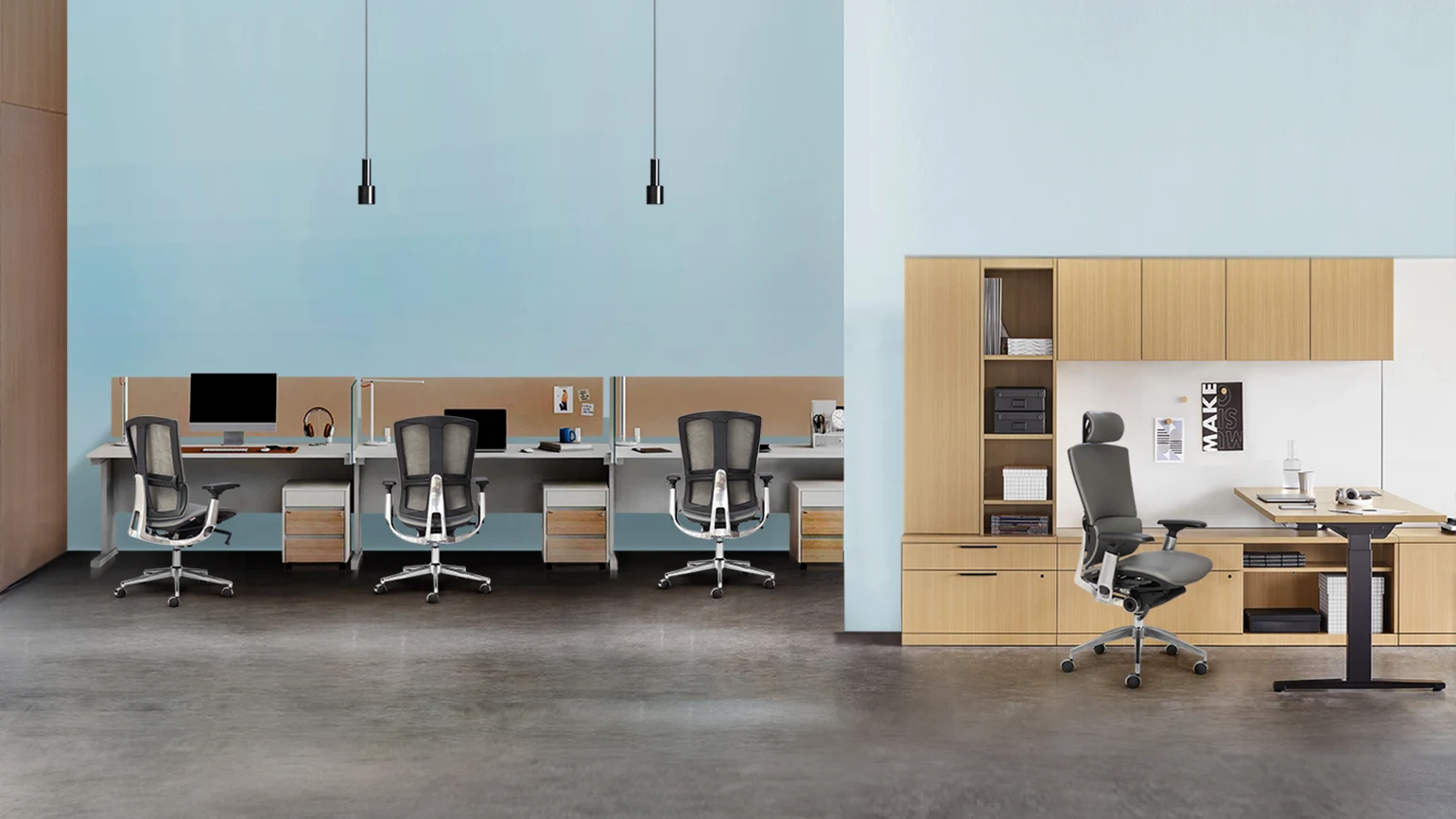
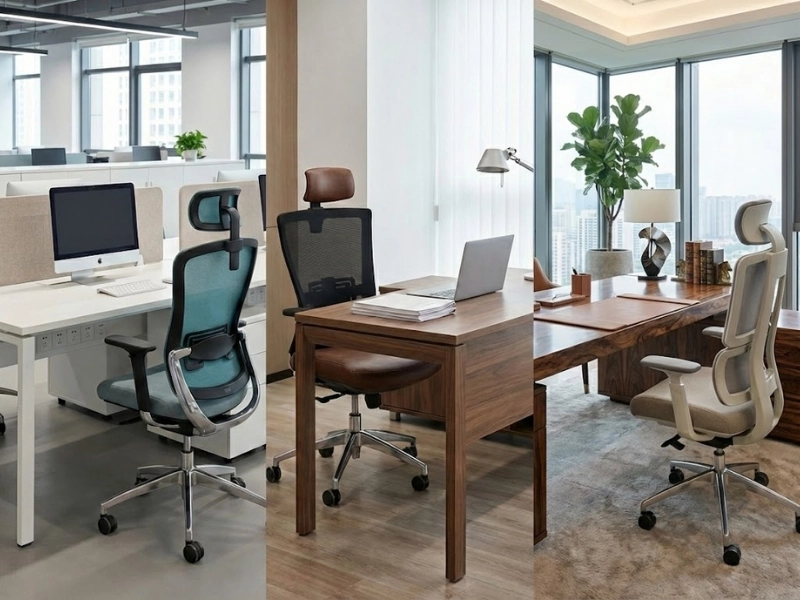
4.1. Staff Area (Mass Volume)
- Product: Office swivel chair (ghế xoay văn phòng) Mid-back mesh.
- Spec: Breathable mesh back, durable Moulded foam seat, basic height-adjustable armrests, Class 3 Piston.
- Goal: Optimize costs (Min Cost) while ensuring 3-5 years durability and basic comfort.
4.2. Manager/Senior Area (Mid-Level)
- Product: Ergonomic chair (ghế công thái học) High-back.
- Spec: Full option (Headrest, Adjustable Lumbar support, 3D Armrest, Multi-lock Mechanism).
- Goal: Enhance experience, support high-intensity work.
4.3. Director Area (Executive)
- Product: High-end leader chair (ghế lãnh đạo).
- Spec: Chrome/Aluminum plated metal frame, imported high-end mesh or cowhide, exquisite design.
- Goal: Demonstrate status and class.
5. Why Choose The City for B2B Projects?
When working on large-scale projects, Architects need a Supplier who meets strict criteria:
- Wide Product Range: From good-priced anti-hunchback ergonomic chairs to high-end genuine ergonomic chair lines, helping Architects easily "pick" products for different bid packages.
- Consistent Quality: Industrial production ensures 1000 items are like 1, minimizing minor errors during Handover.
- Project Warranty Service: Clear warranty policies and available Spare parts are vital factors to persuade the investor's Purchasing department.
- Design Library Support: The City provides full 3D Models for Designers to quickly insert into perspective drawings.
6. Conclusion: Elevating Tender Documents with Health Solutions
Including ergonomic chairs in a project is not just selling a piece of furniture, but selling an effective and humane work solution. A beautiful design drawing can help you win the bid aesthetically, but accurate technical Specs regarding Ergonomics will help you win in terms of trust and long-term usage value.
Let The City accompany you in creating standard workspaces where human health is placed first.